Robotic Cystectomy Unit

Specialized unit


Cystectomy Unit Robotics

Robotic bladder surgery with a comprehensive approach: treating cancer, preserving urinary and sexual function, and supporting the patient every step of the way during their recovery.

About Bladder Cancer

When you need to go the extra mile

Bladder cancer is one of the most common urological cancers. In its early stages, it can be treated with minimally invasive techniques such as transurethral resection, with very good results.

However, when the tumor invades the muscle layer— a condition known as invasive bladder cancer—the most effective treatment for curing the disease is usually radical cystectomy: the complete removal of the bladder.

Our goal is not only to remove the tumor, but also to restore the patient’s quality of life as much as possible.


[/vc_column]

Video

Bladder Cancer Explained by Our Team

What it is, how it is diagnosed, and what treatment options are currently available.

Technology at the service of the patient

Accuracy to change the forecast

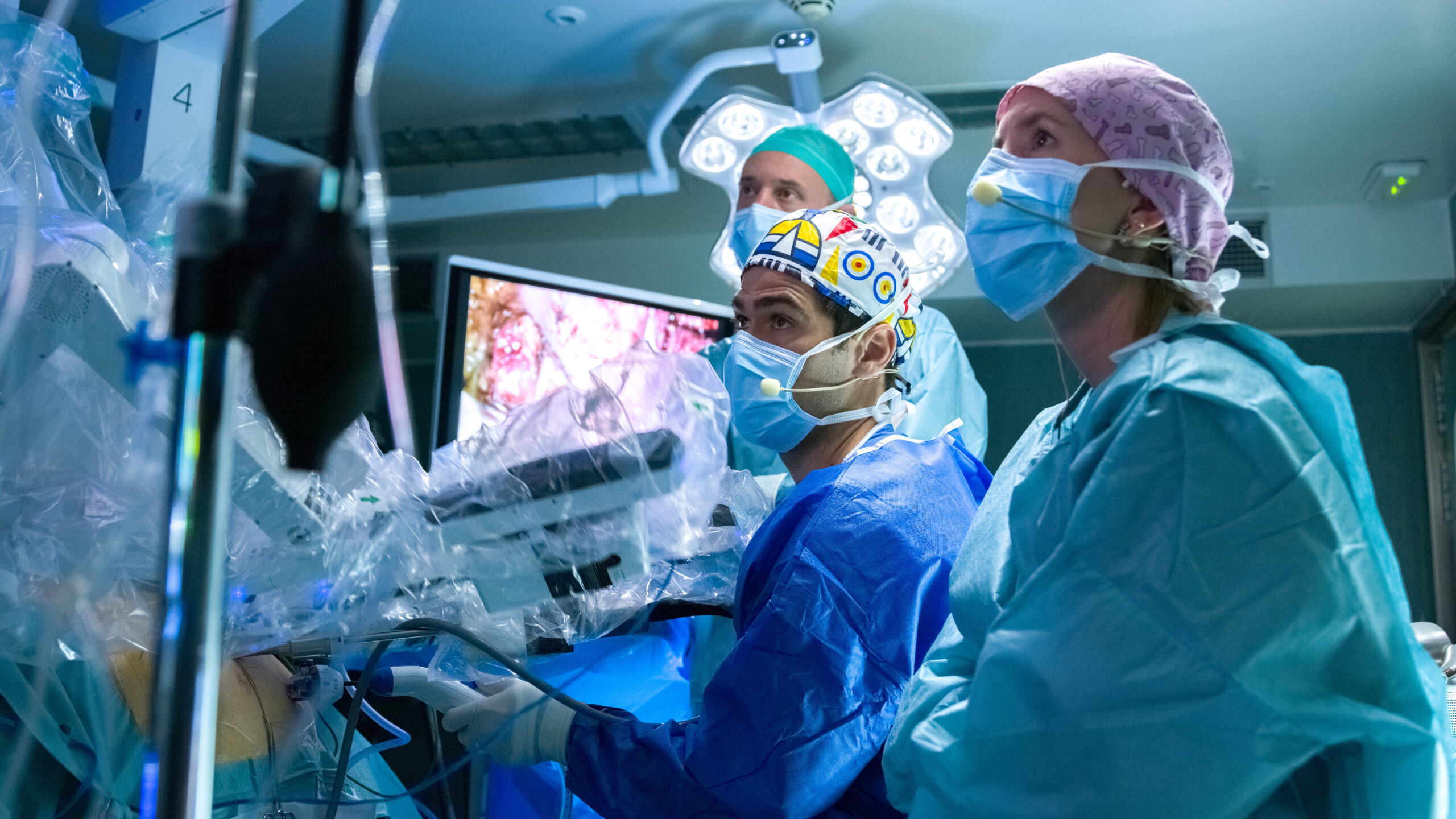
At our facility, cystectomy is performed using robotic surgery, a technology that has revolutionized this procedure and its outcomes.

Greater precision in surgical dissection

Better vascular control and less bleeding

Maximum preservation of nerves and key structures

Less damage to the intestine and surrounding tissues

Faster and safer recovery

This paves the way for something fundamental: restoring urinary function as naturally as possible.

Watch video: Benefits of robotic cystectomy

Urinary reconstruction

Neovejiga: Return to Natural Urination

Following bladder removal, the most advanced option is an orthotopic neobladder: a new internal reservoir created from intestinal tissue and connected to the urethra, which allows patients to regain a urinary function that is as close to natural as possible.

▶ Watch video: The "neovejiga" explained

🚫

No external bag

Urination without devices or collection bags for greater independence

🧍

Image preserved

Completely normal appearance, with no visible features.

🔄

Complete autonomy

A return to social and professional life with independence.

Normal life

Most people resume their normal activities without restrictions.

What is most concerning

Frequently Asked Questions for Patients

The two most common questions people have before a cystectomy, with clear answers.

Will I regain control of my bladder?

With proper technique and close follow-up, the prognosis is usually very good. Bladder control is gradually restored. There may be some minor nighttime leakage at first, but this gradually disappears. Pelvic floor rehabilitation speeds up recovery, and the vast majority of patients regain normal bladder function.

This process is monitored starting on the first day after surgery.

What about sexual function?

A diagnosis of bladder cancer does not have to mean the end of one’s sex life. With nerve-sparing techniques, it is possible to preserve erectile function in a significant percentage of patients. Robotic surgery allows for more precise dissection of nerve structures compared to conventional surgery.

We have a specific monitoring plan in place for this function.

Options after cystectomy

Neovejiga vs. external shunt

Our team evaluates on a case-by-case basis what the best option is for each patient.

Preferred option when possible

Internal neovejiga

Natural urination through the urethra, without an external pouch

Body image fully preserved

Greater comfort and integration into daily life

A better quality of life in the long term

Thanks to robotics, an increasing number of patients are eligible for the procedure, even at an advanced age.

When a neobladder is not indicated

Ileal conduit (Bricker)

External drainage using a collection bag (urostomy)

A simpler procedure in certain cases

Indicated when the neobladder is not viable

A proven technique with predictable results

It ensures proper kidney function and a good quality of life.

Directions

Who can benefit from a neobladder?

Not all patients are suitable candidates, but the possibilities are growing. The decision depends on the cancer’s stage, the patient’s overall health, and anatomical factors.

It may not be appropriate for very extensive tumors, patients who have previously undergone pelvic radiation therapy, medical conditions that preclude prolonged surgery, or when immediate comfort is the priority.

Each case is evaluated on an individual basis.

▶ Watch video: Indications for a neobladder

Special attention

Bladder Cancer in Women

Its incidence is on the rise. Robotic surgery offers particularly significant advantages: improved surgical access, often faster recovery of bladder control, a cosmetic outcome with minimal incisions, and the option of a neobladder with excellent functional results.

The condition isn't exclusive to men, and neither are the solutions.

▶ Watch video: Bladder cancer in women

Comprehensive approach

It's not just surgery: it's a team

Treatment doesn't end in the operating room. We support the patient every step of the way.

01

Robotic surgery

Urologists with internationally recognized training and experience in robotic cystectomy and neobladder reconstruction.

02

Rehabilitation

A personalized pelvic floor program and dedicated nursing care providing ongoing monitoring from day one.

03

Support

Clinical psychology and ongoing emotional support. The patient does not go through this process alone.

After surgery

Restoring life: the true goal

Following a successful cystectomy, most patients can return to work, resume physical activity, maintain an active social life, and, in many cases, resume their sex life without feeling permanently disabled.

Cancer can be treated. Life goes on.

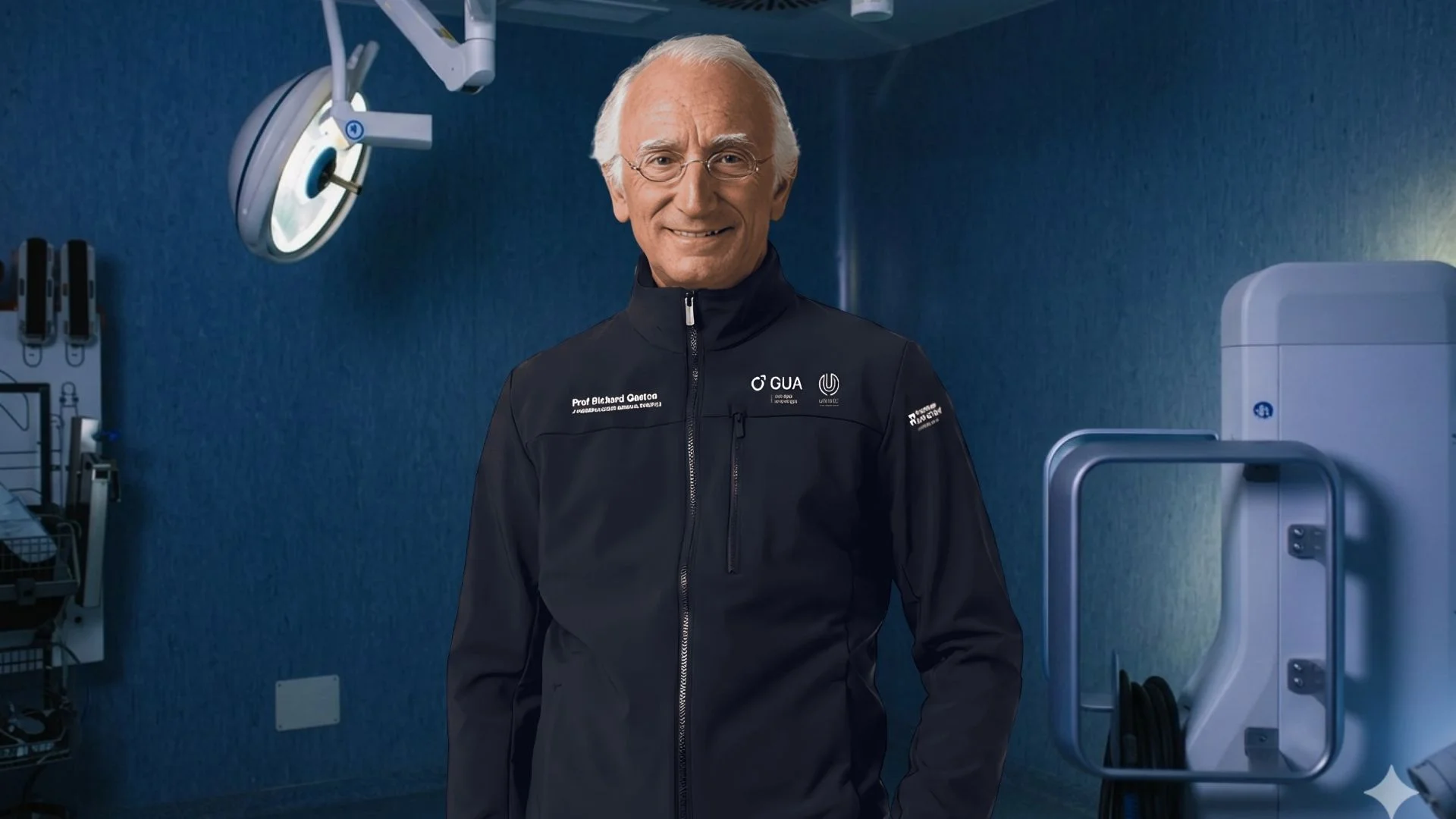
Prof. Richard Gaston

A pioneer and international leader in robotic cystectomy and neobladder reconstruction. One of the largest series of this procedure worldwide. Direct contributor to the Urointec robotic surgery program

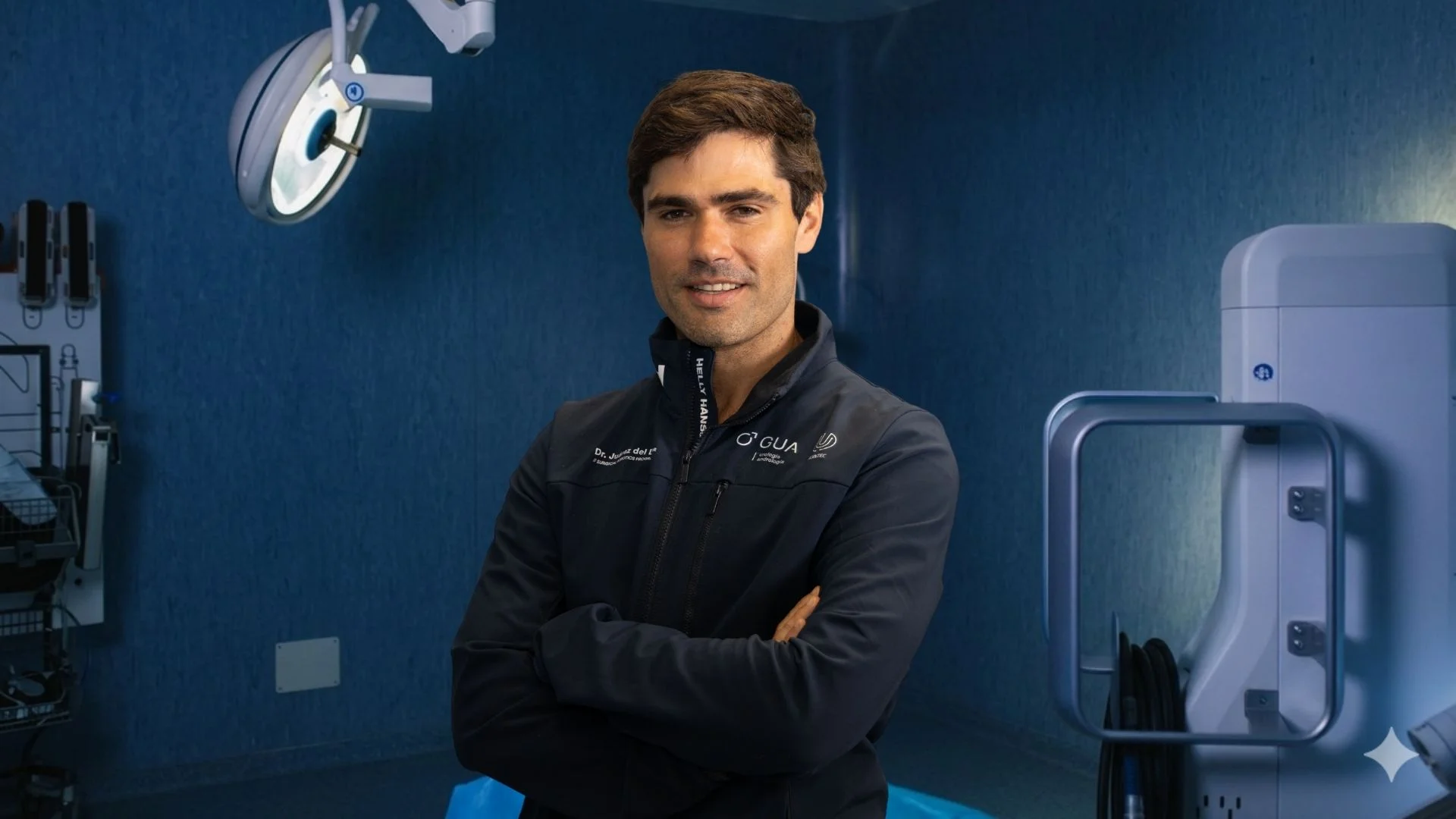
Dr. Pablo Juárez del Dago

A urologist specializing in robotic surgery, trained directly by Prof. Gaston. He is responsible for implementing the program in the Canary Islands and for patient care at the hospital.

Do you have bladder cancer, or are you currently being evaluated for it?

The choice of treatment makes all the difference. Consult with our team and explore all your options for robotic surgery.

info@urointec.com