February 20 Cameroon – January 2026
Date: January 2026
Location: Cameroon
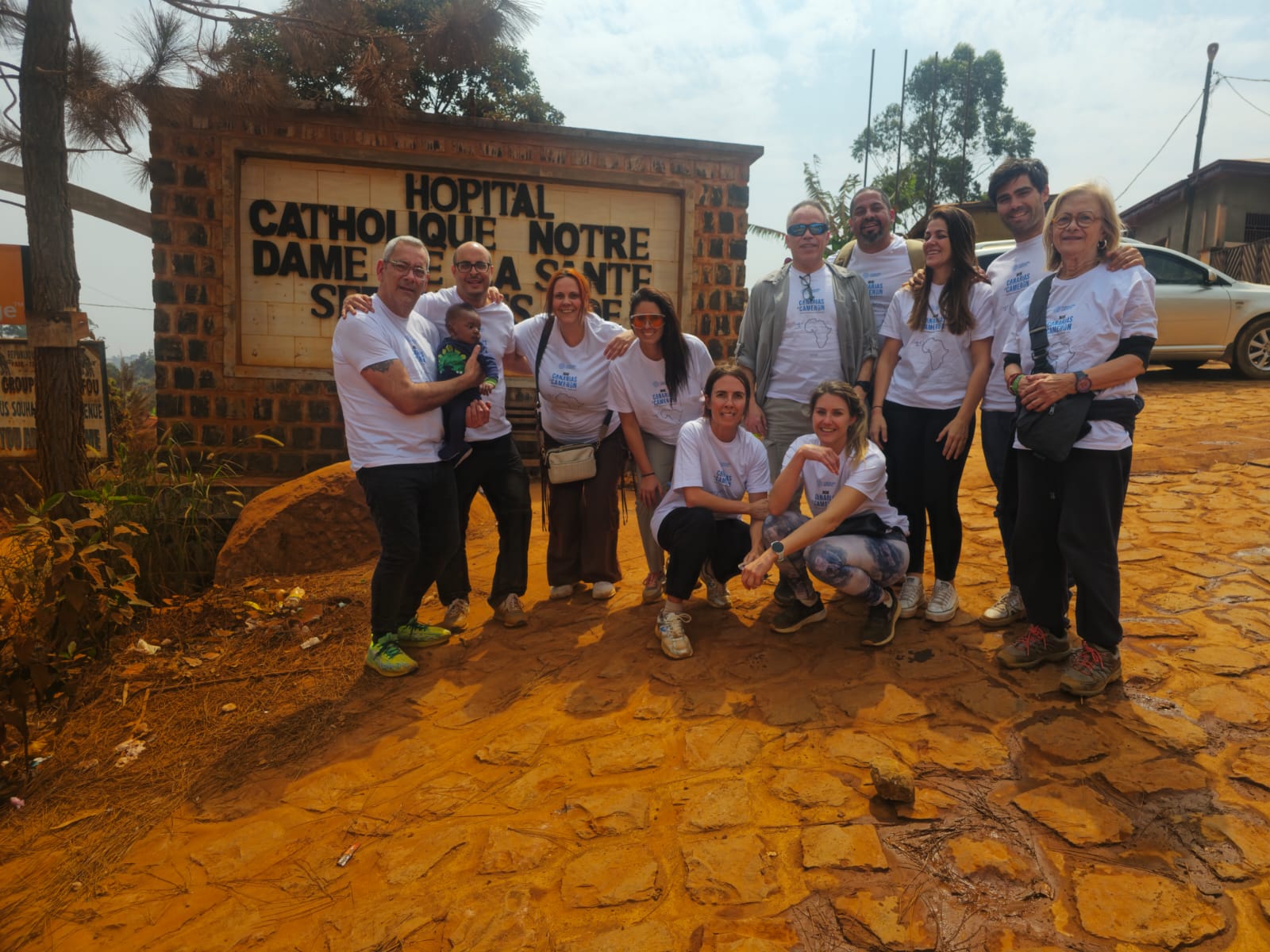
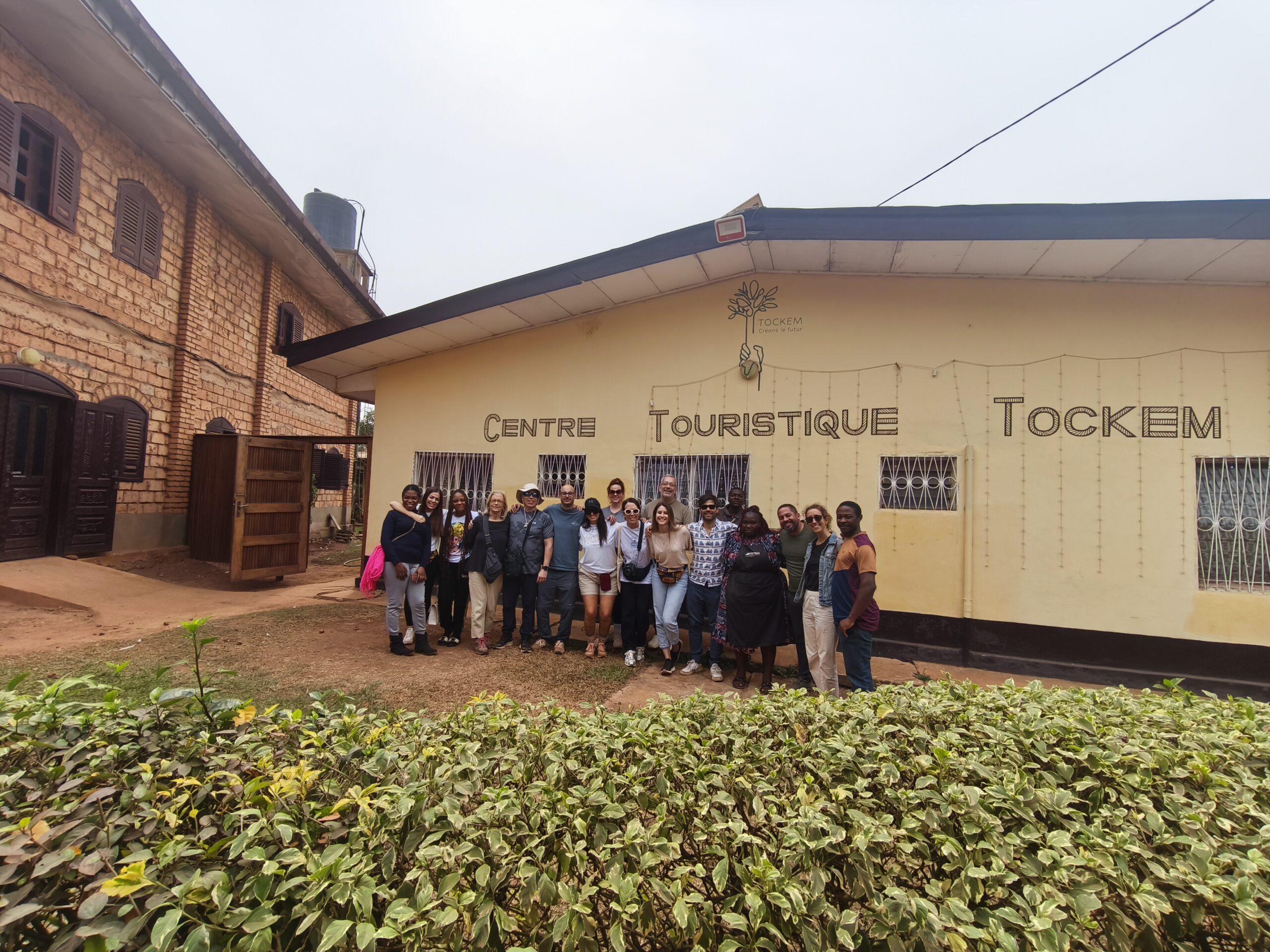
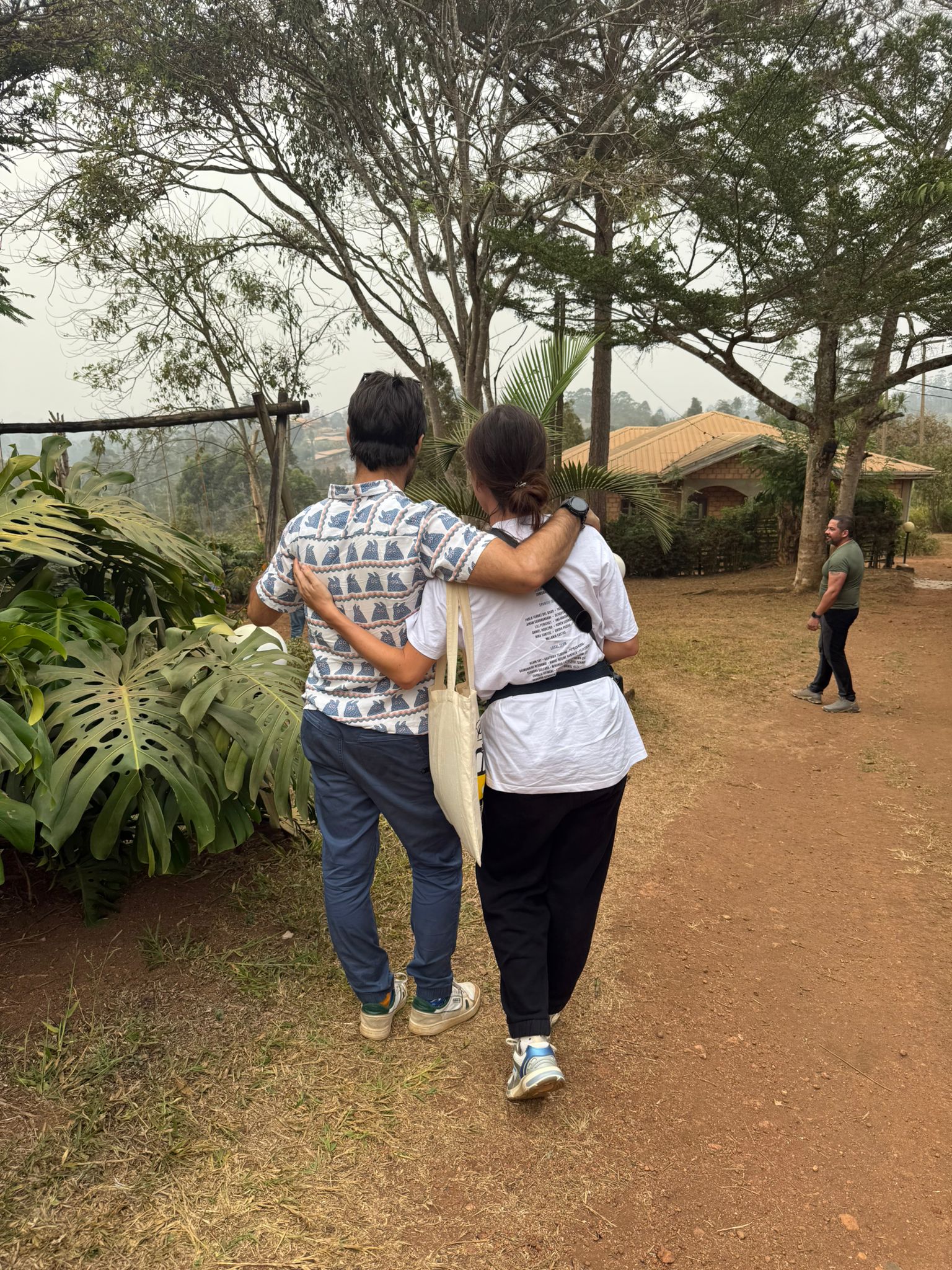
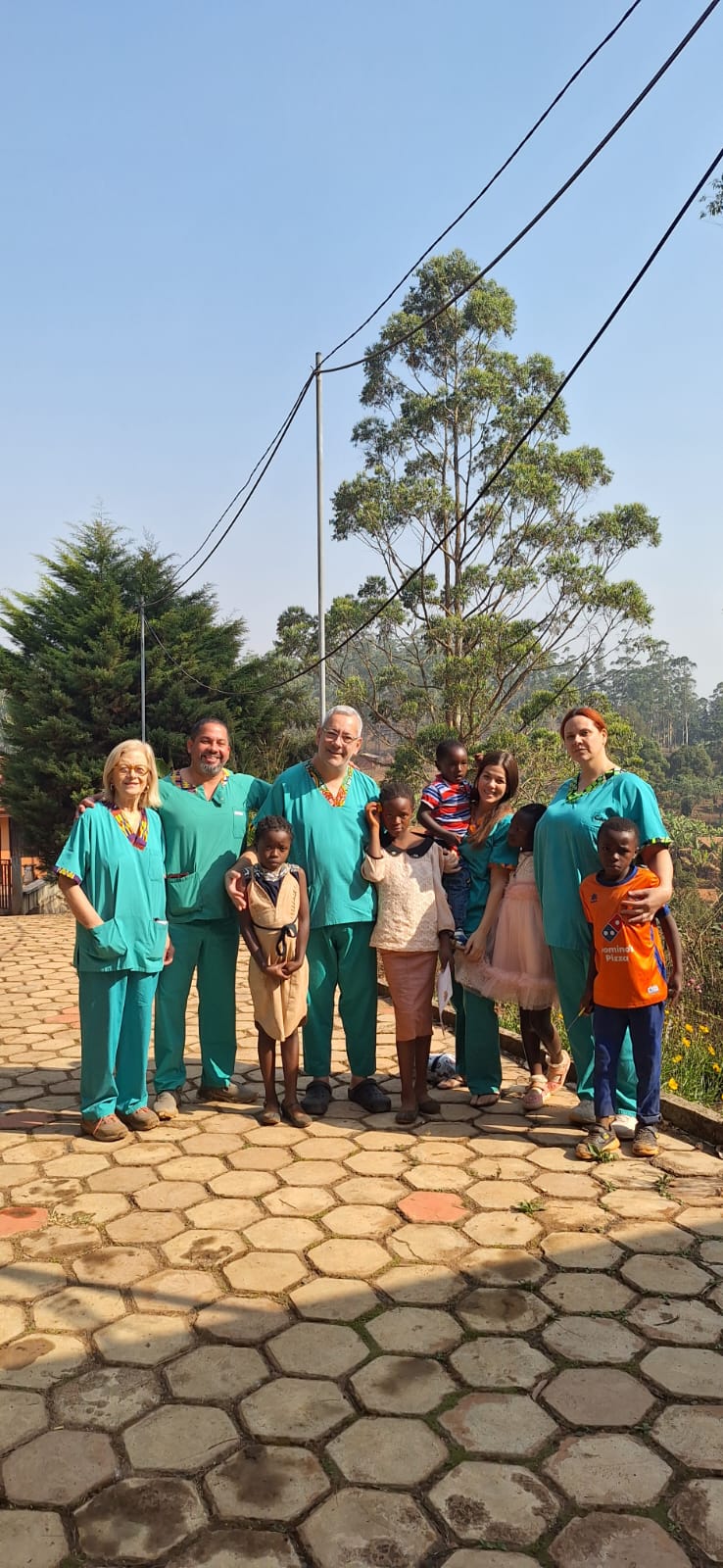
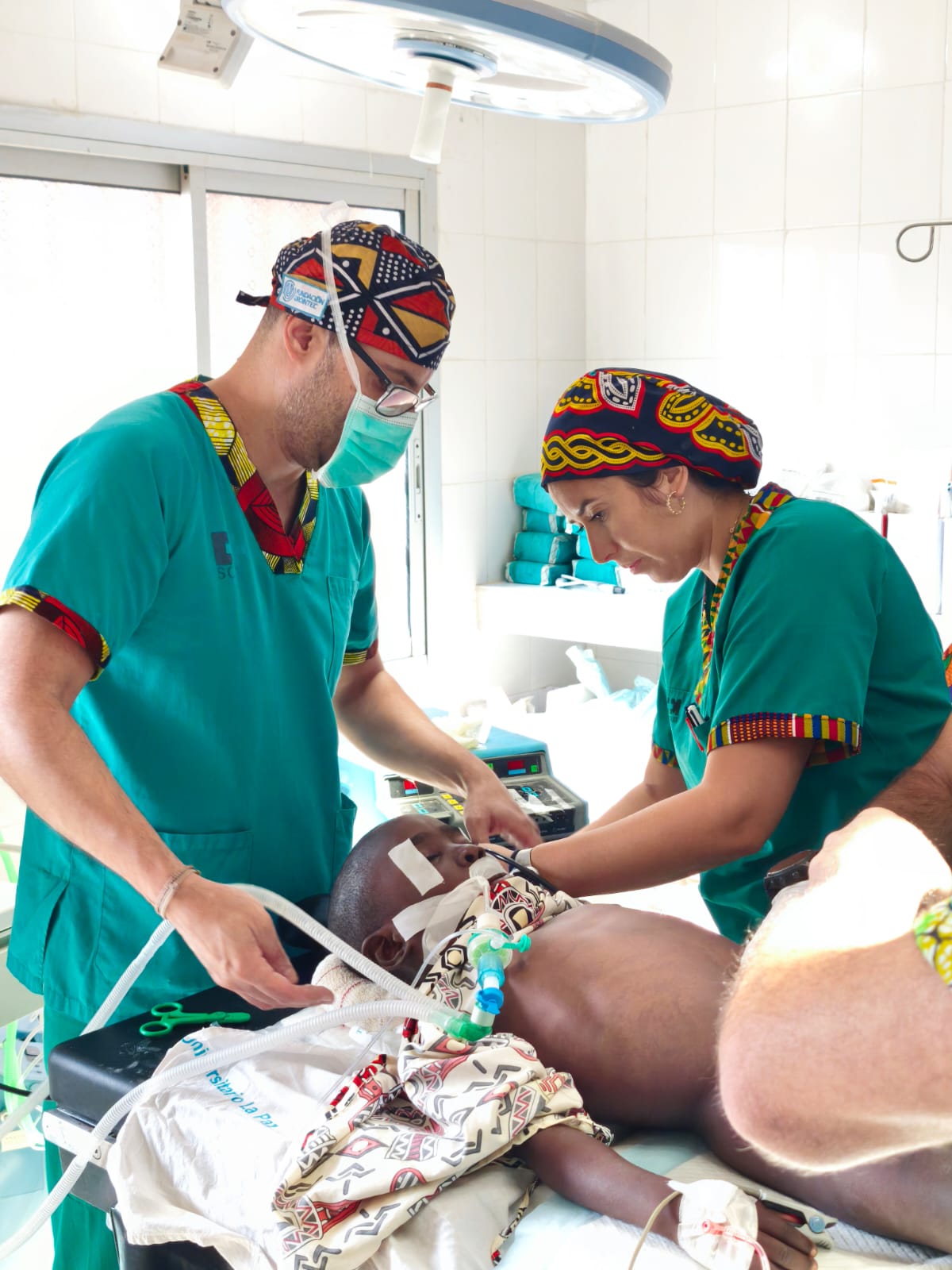
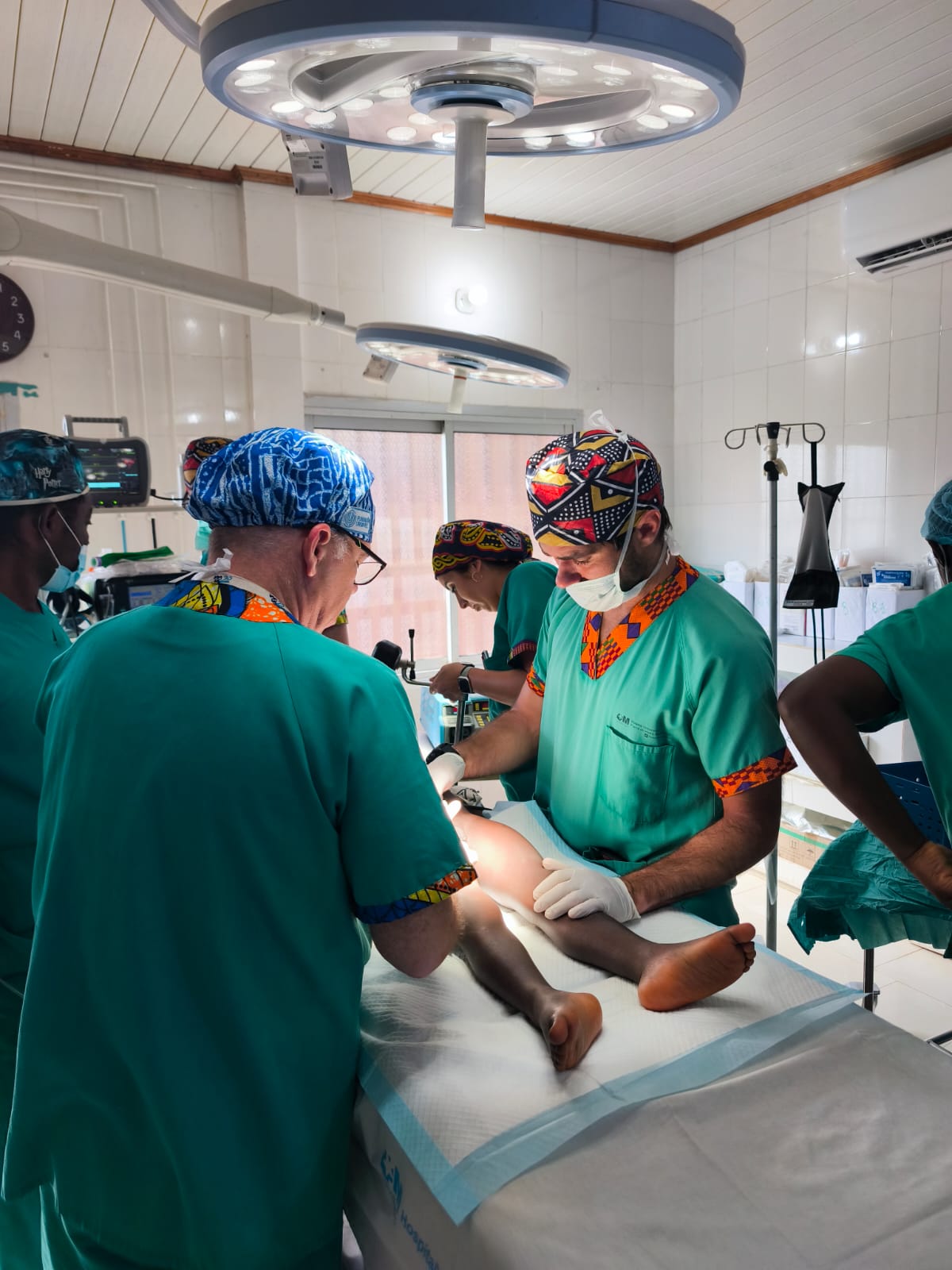
From January 24 to 31, 2026, we carried out our first medical mission as the Urointec Foundation at the Notre Dame de la Santé Hospital (Dschang, Cameroon), where we provided medical consultations, complex urological surgeries, specialized rheumatology care, and advances in hospital digitization.
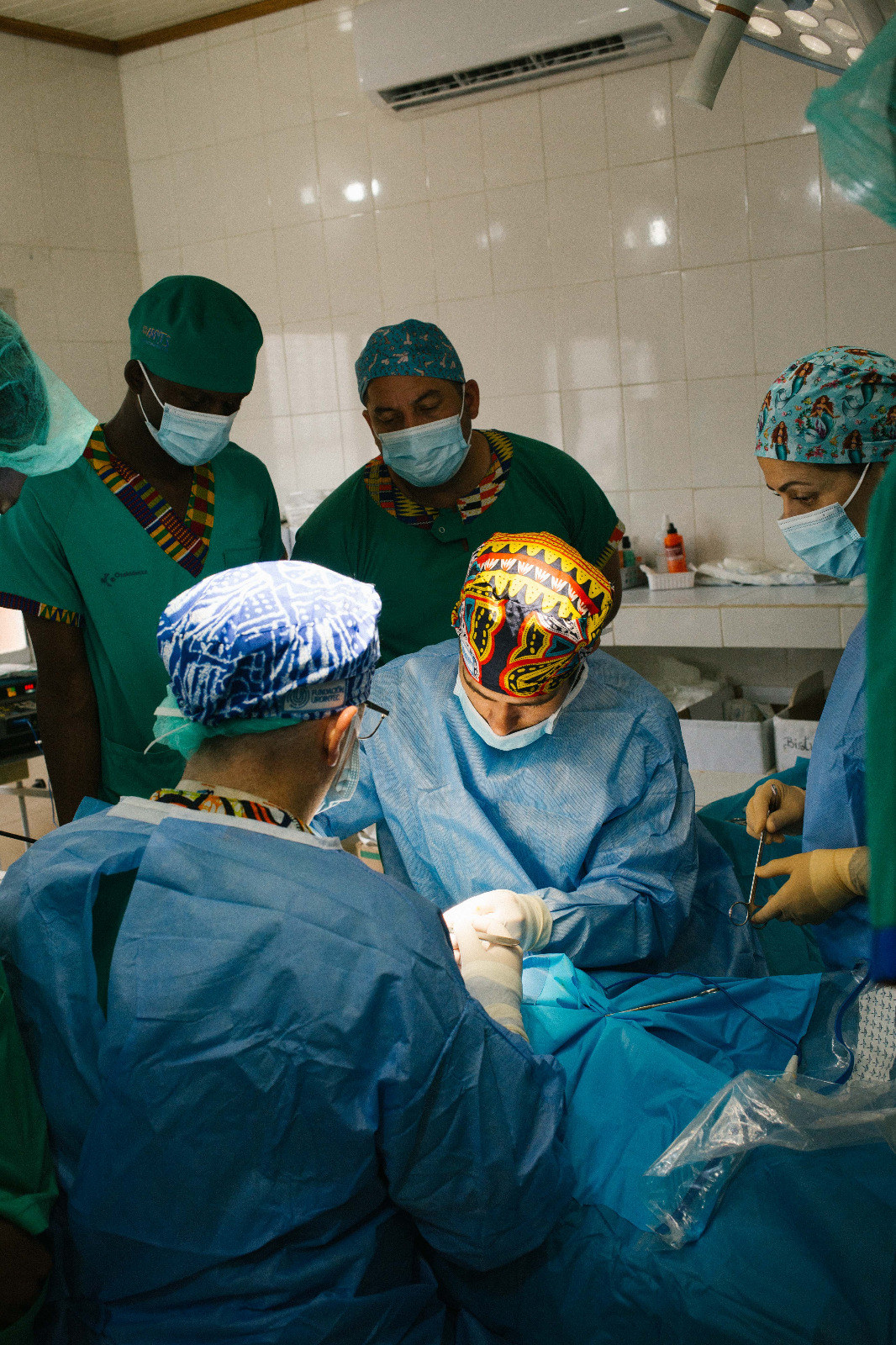
Specialized urological medical care and surgery
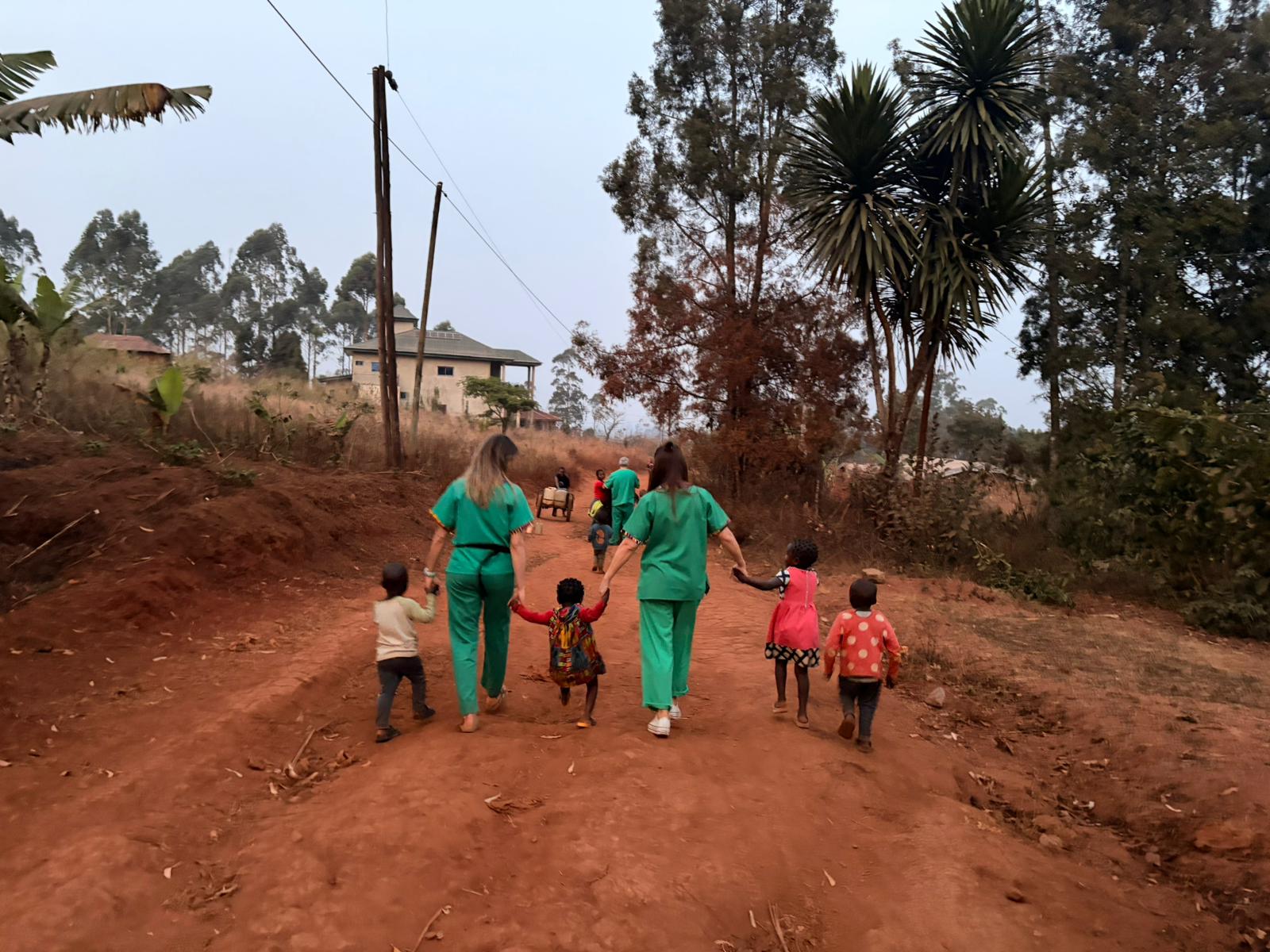
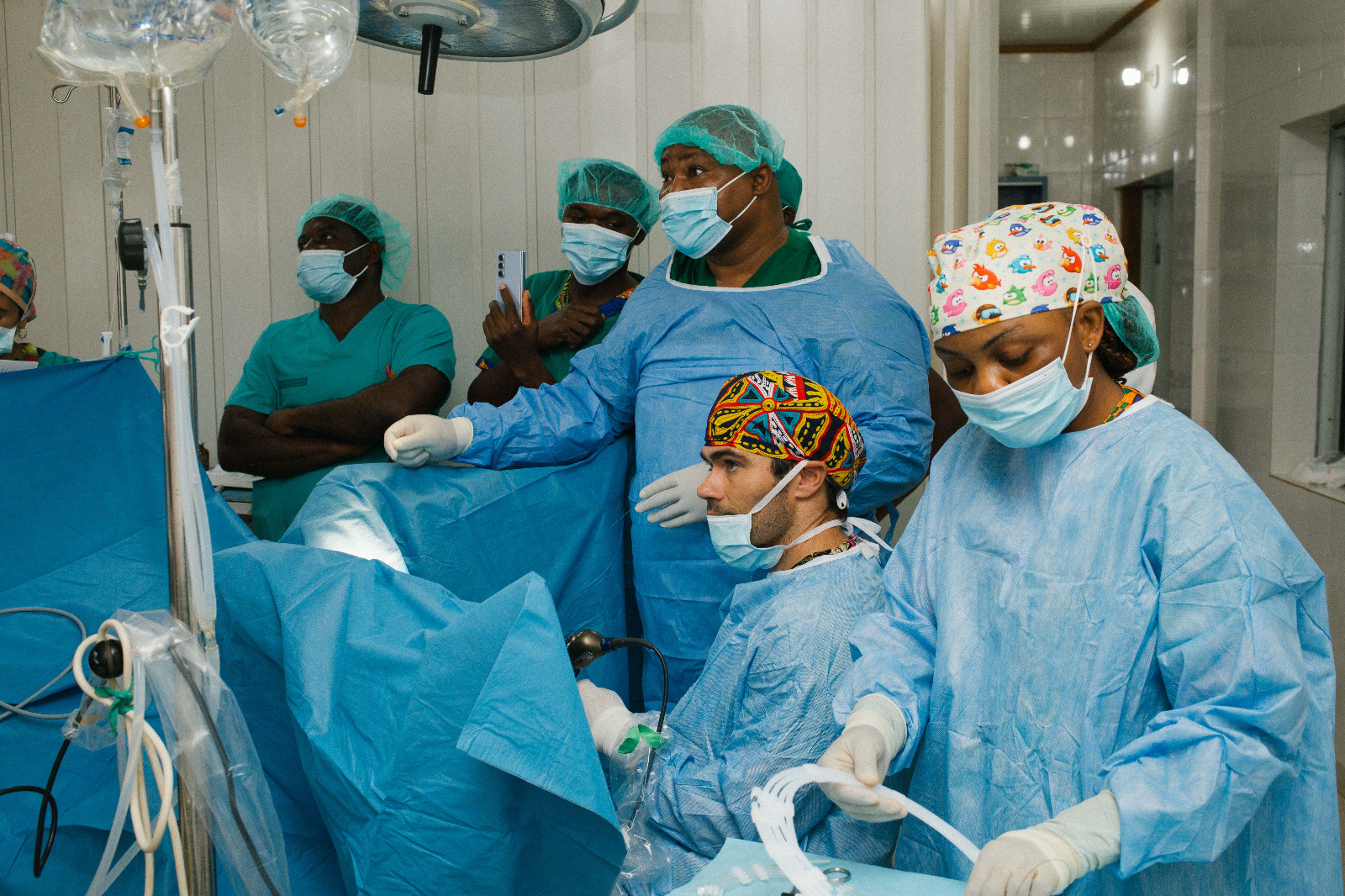
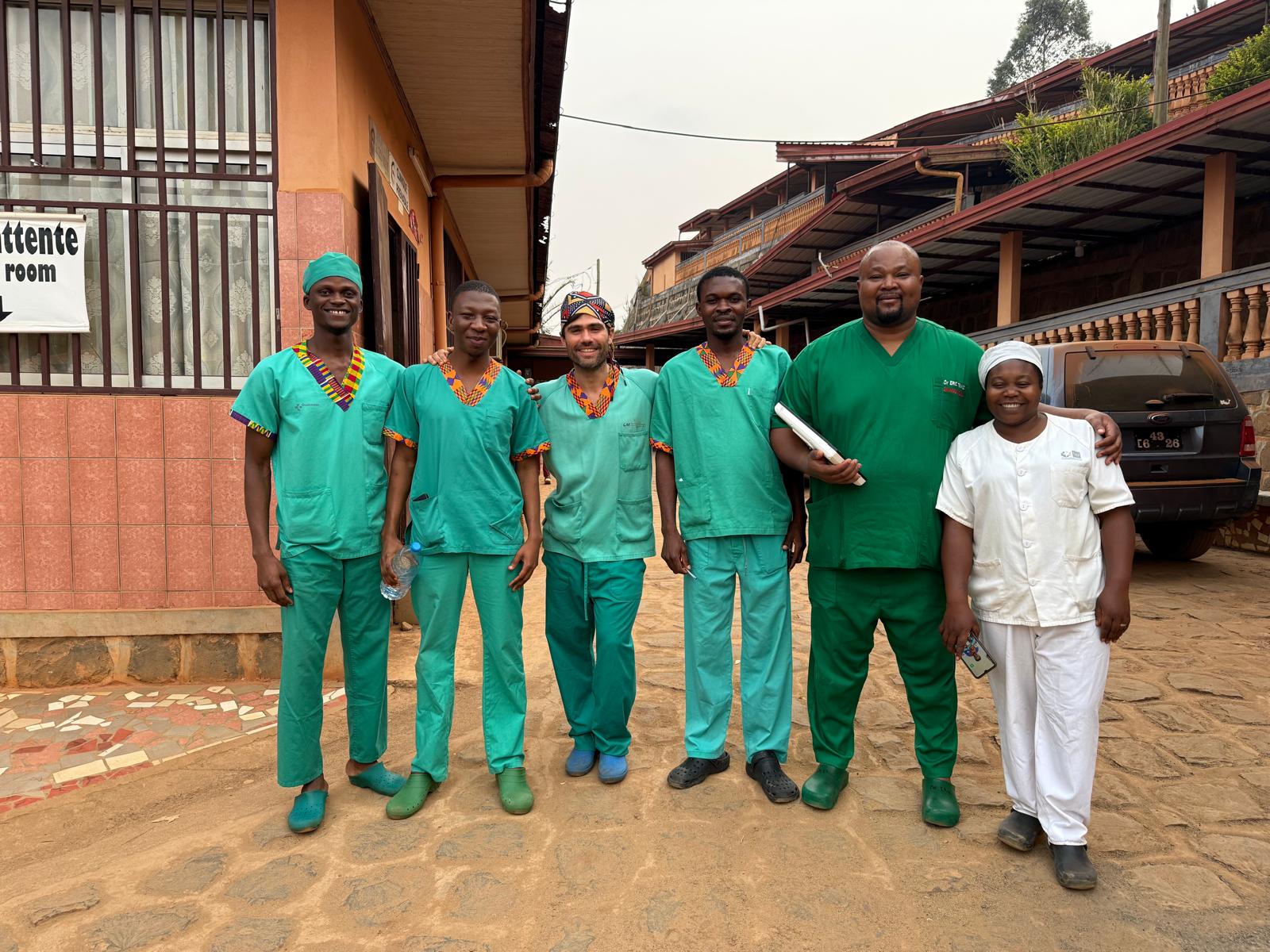
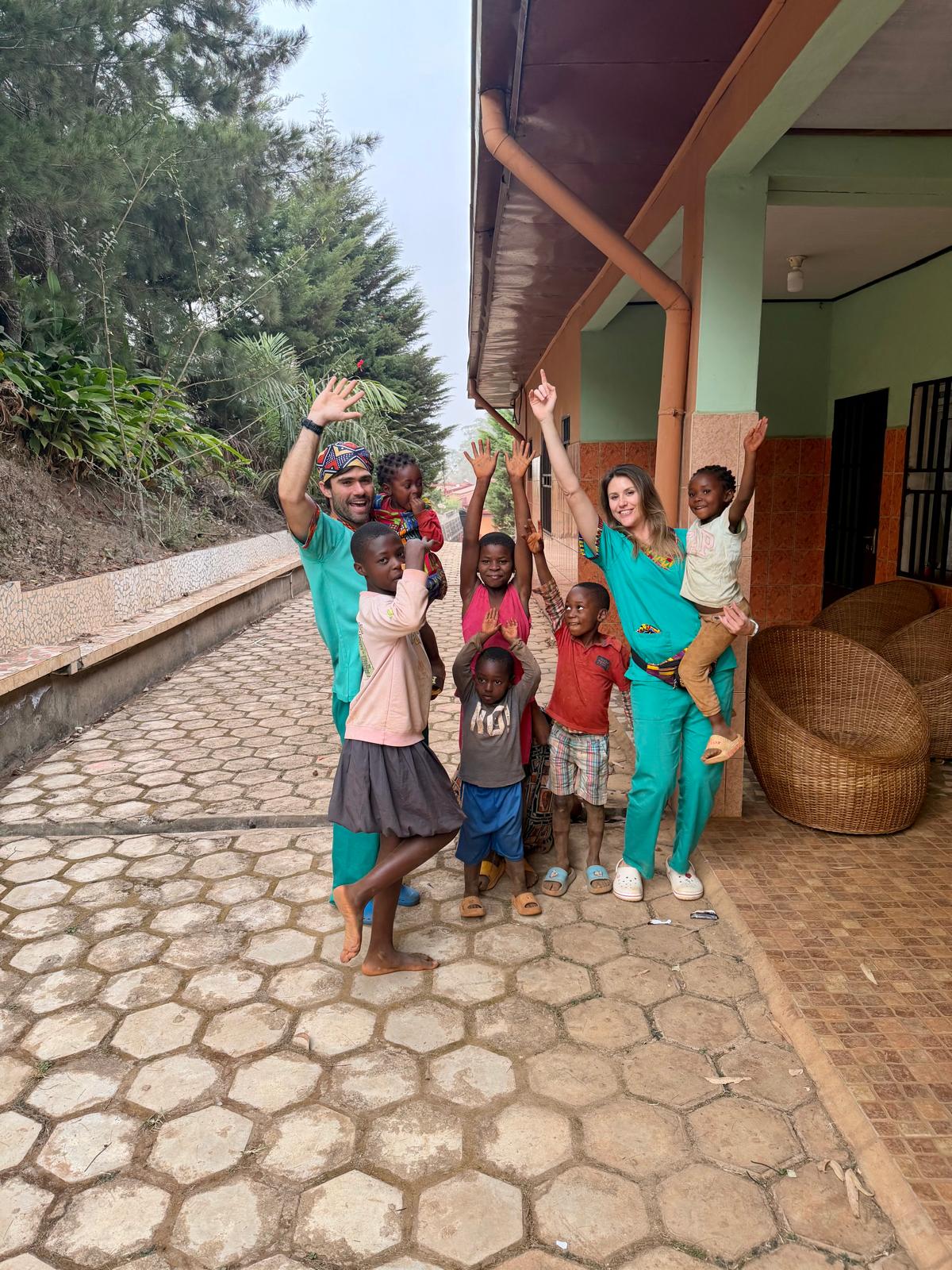
For a week, the team worked closely with local healthcare personnel, treating patients who had gone long periods without access to specialized treatment.
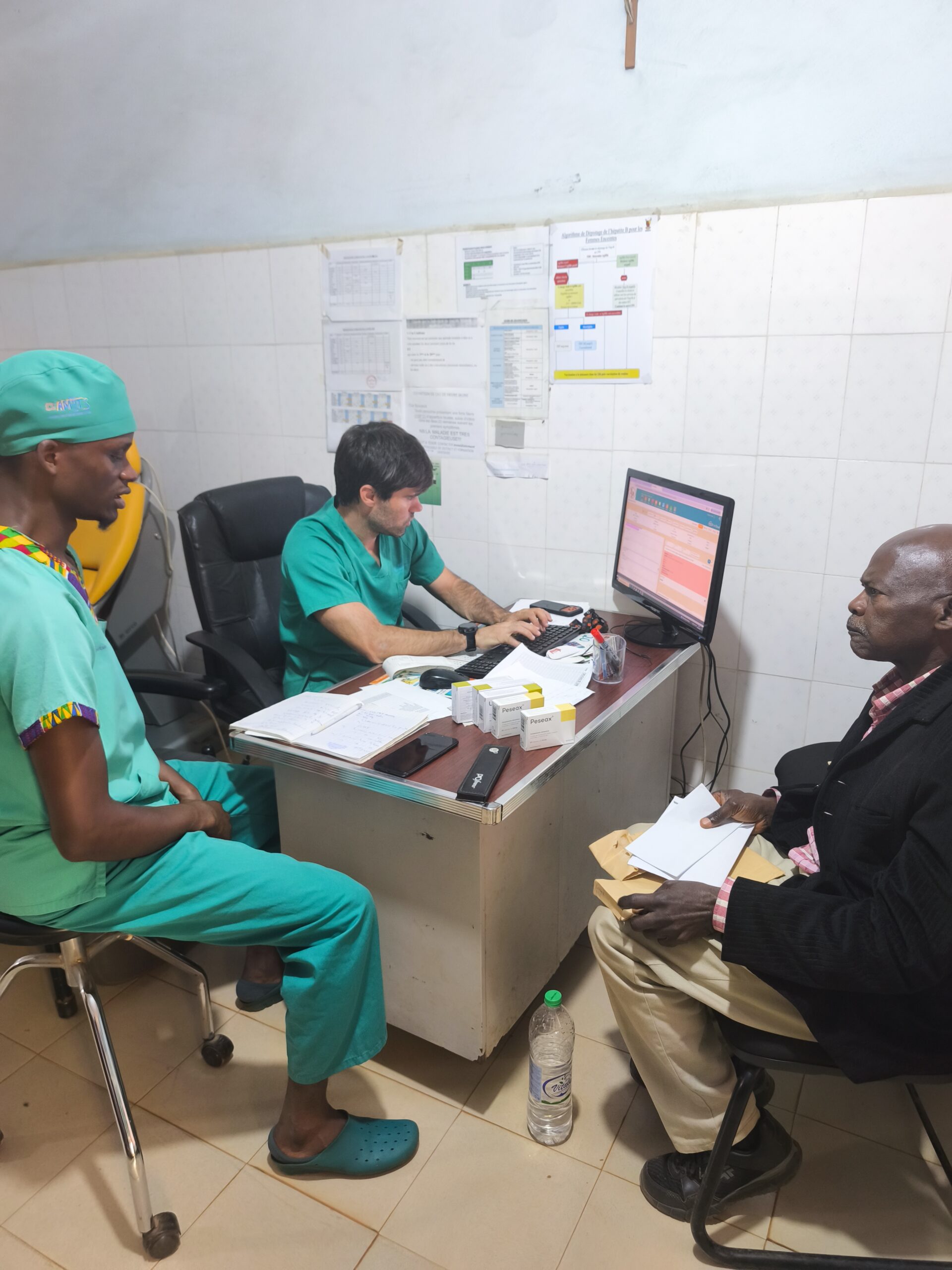
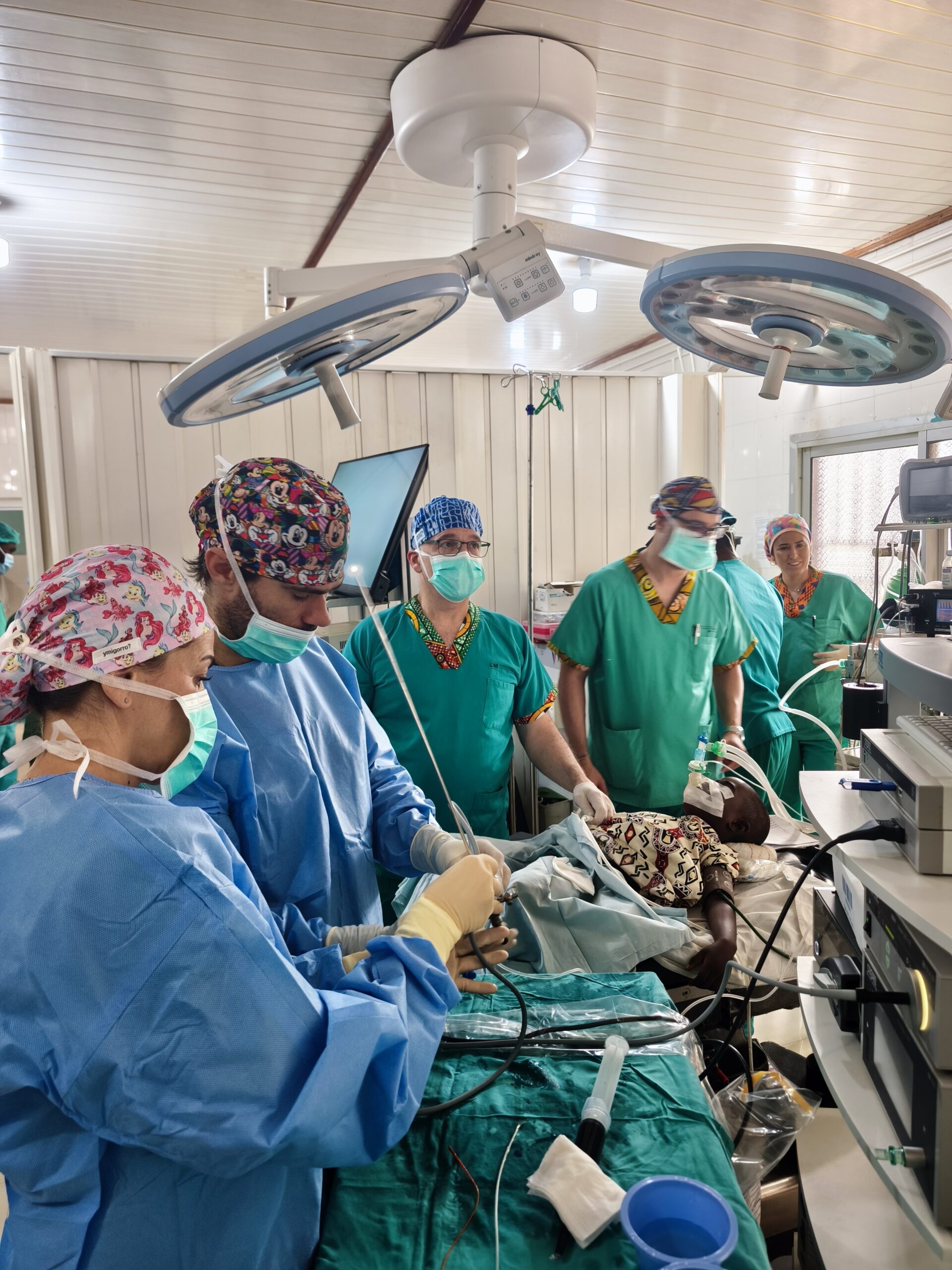
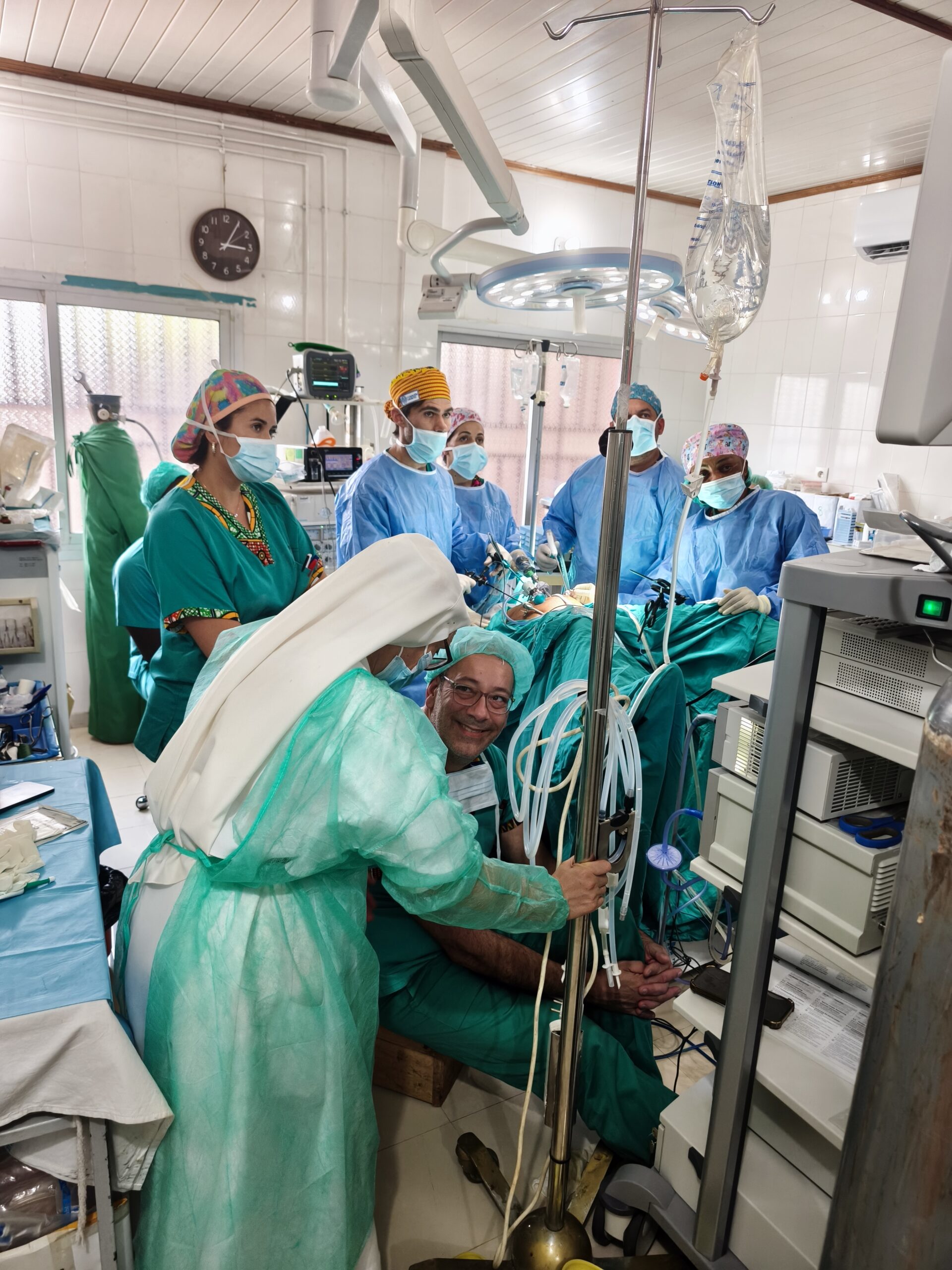
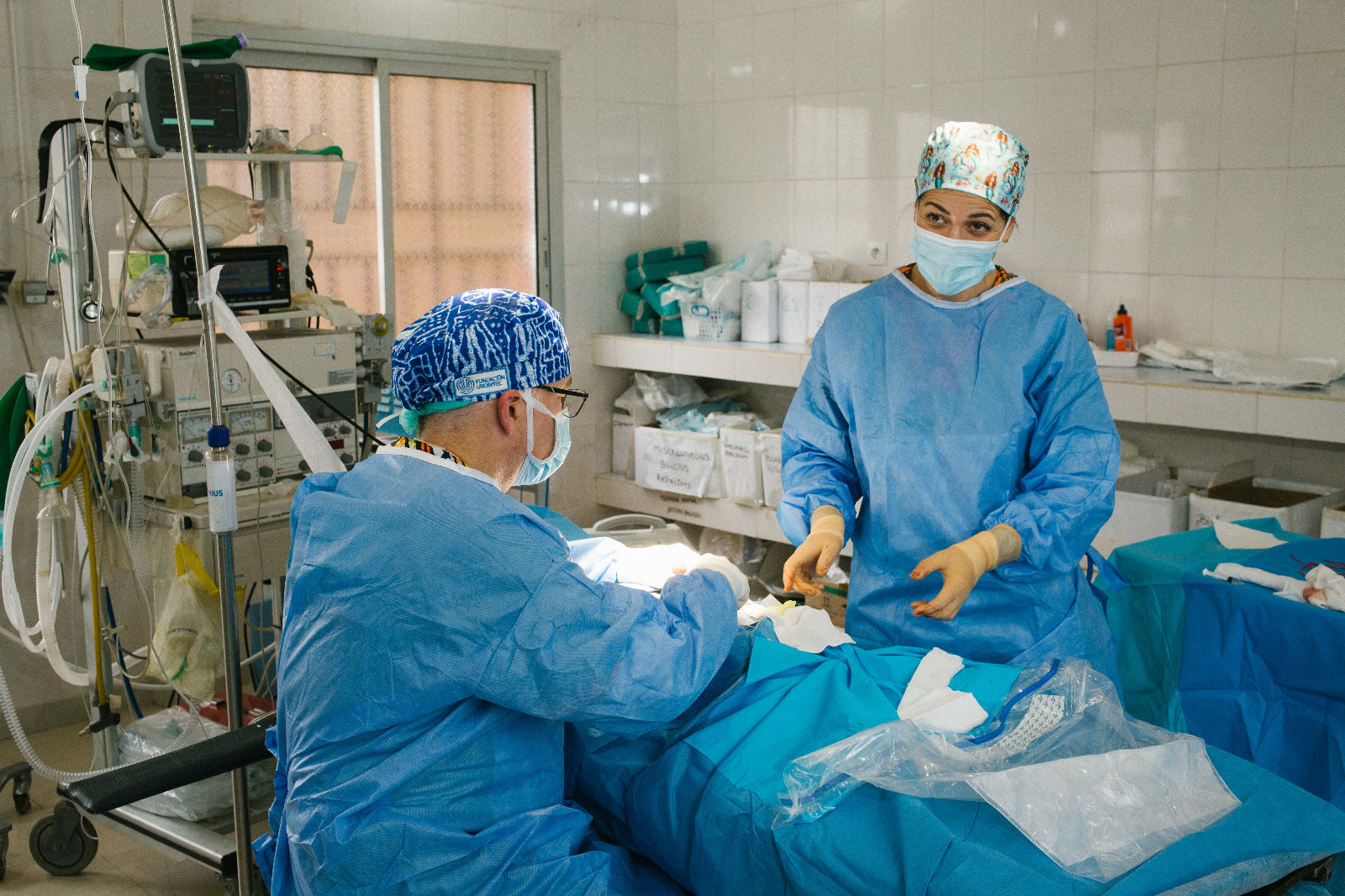
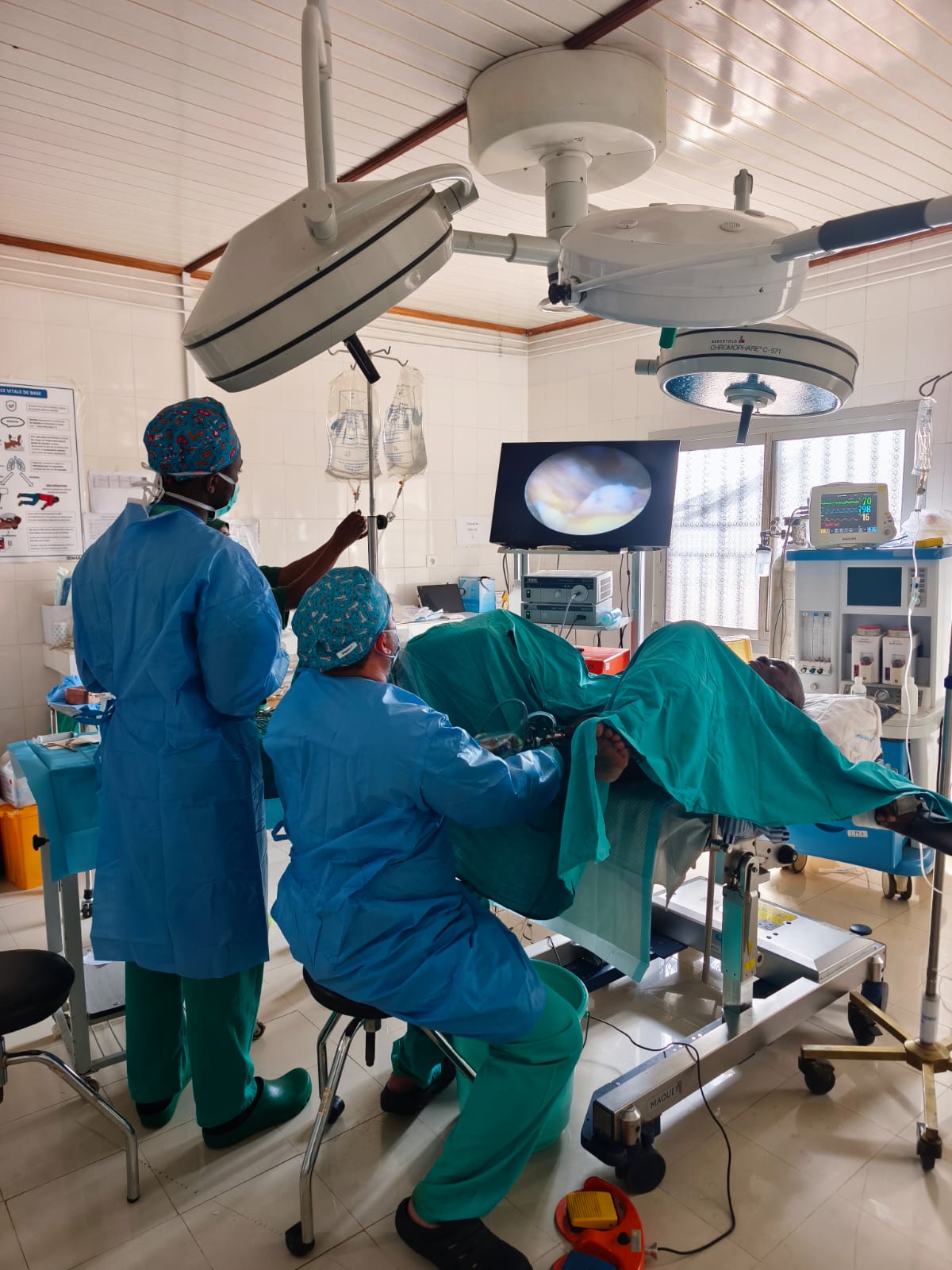
Eighty-two urological consultations and 27 surgeries were performed, including reconstructive procedures, treatment of advanced kidney stones, and pediatric urological pathology. These types of interventions require specific technical expertise and are not always available locally, so performing them has a direct impact on patients' health and quality of life.
First Rheumatology Campaign
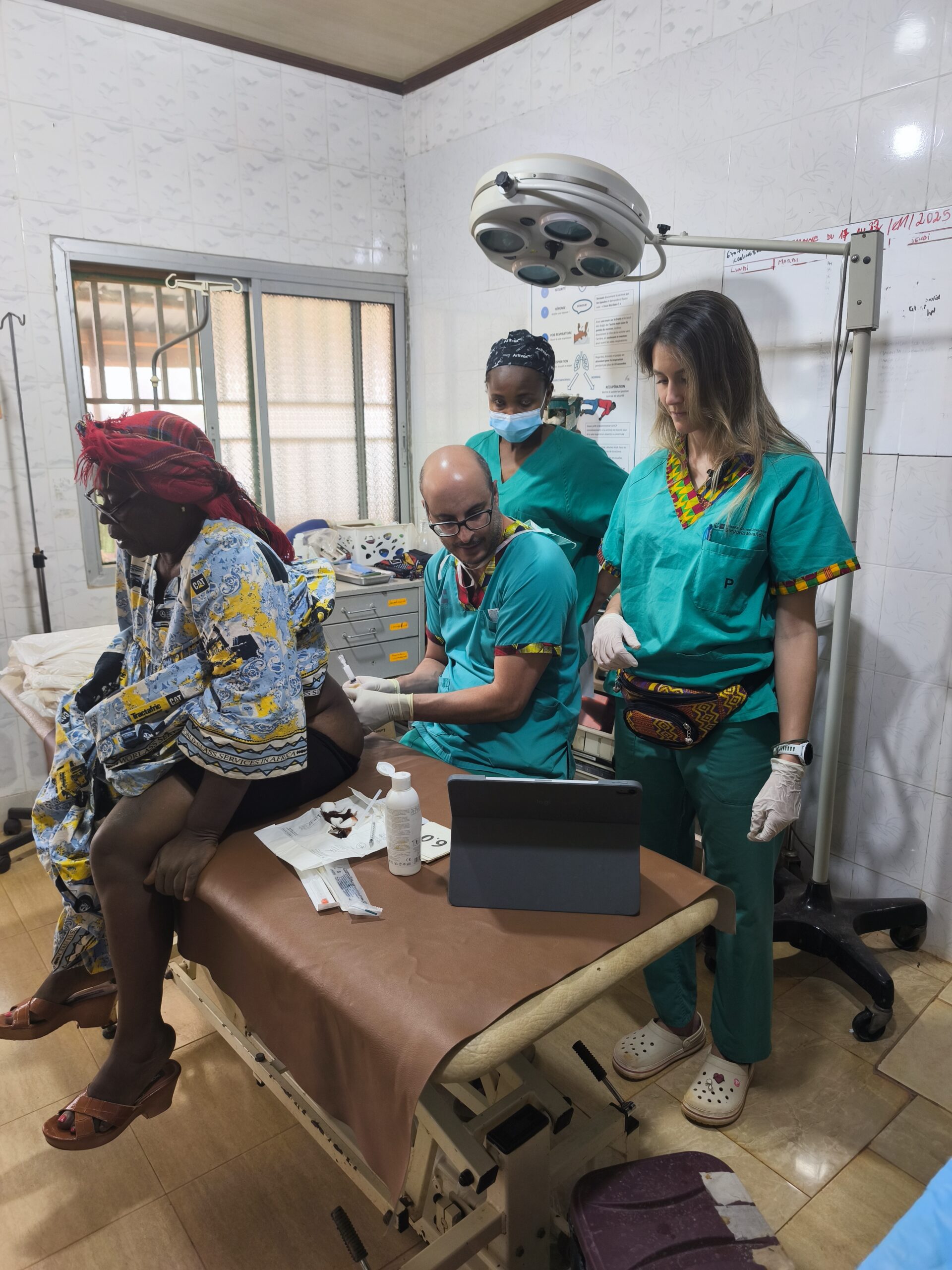
As part of the expansion of the mission's medical scope, we developed our first rheumatology campaign, led by Dr. Urska Progar, a resident physician at Doctor Negrín Hospital in Las Palmas de Gran Canaria, in which more than 150 patients with chronic musculoskeletal disorders and inflammatory diseases were treated.
This intervention had a particularly significant impact as it was the first campaign of its kind carried out at the hospital, where there is no regular access to rheumatological care. In a region where a large part of the population works in agriculture and performs intensive physical labor, osteoarticular diseases cause persistent pain, functional limitations, and loss of working capacity, directly affecting quality of life and family livelihoods.
For us, it has been very valuable to promote this new line of care together with the local team and to be able to respond to a real need in the community, incorporating a more comprehensive approach to patient care.
Hospital digitization and improvement of the local healthcare system
In addition to providing healthcare services, we continue to work with the hospital to implement clinical management software that digitizes and organizes medical information, improving patient management and facilitating a more comprehensive clinical overview. This advance brings greater order to daily organization, optimizes care times, and facilitates the work of healthcare personnel. It also improves medical traceability and lays the foundation for remote patient follow-up from Spain, promoting continuity of care after the mission. During the mission, we continue to train the local team in the use of the system, and this support continues remotely afterwards, which is allowing us to consolidate its use and progressively improve the organization of care.
Although less visible than surgery, hospital digitization is essential for strengthening the local healthcare structure and ensuring more organized, efficient, and sustainable care once international medical missions have ended.
The key role of the volunteer team
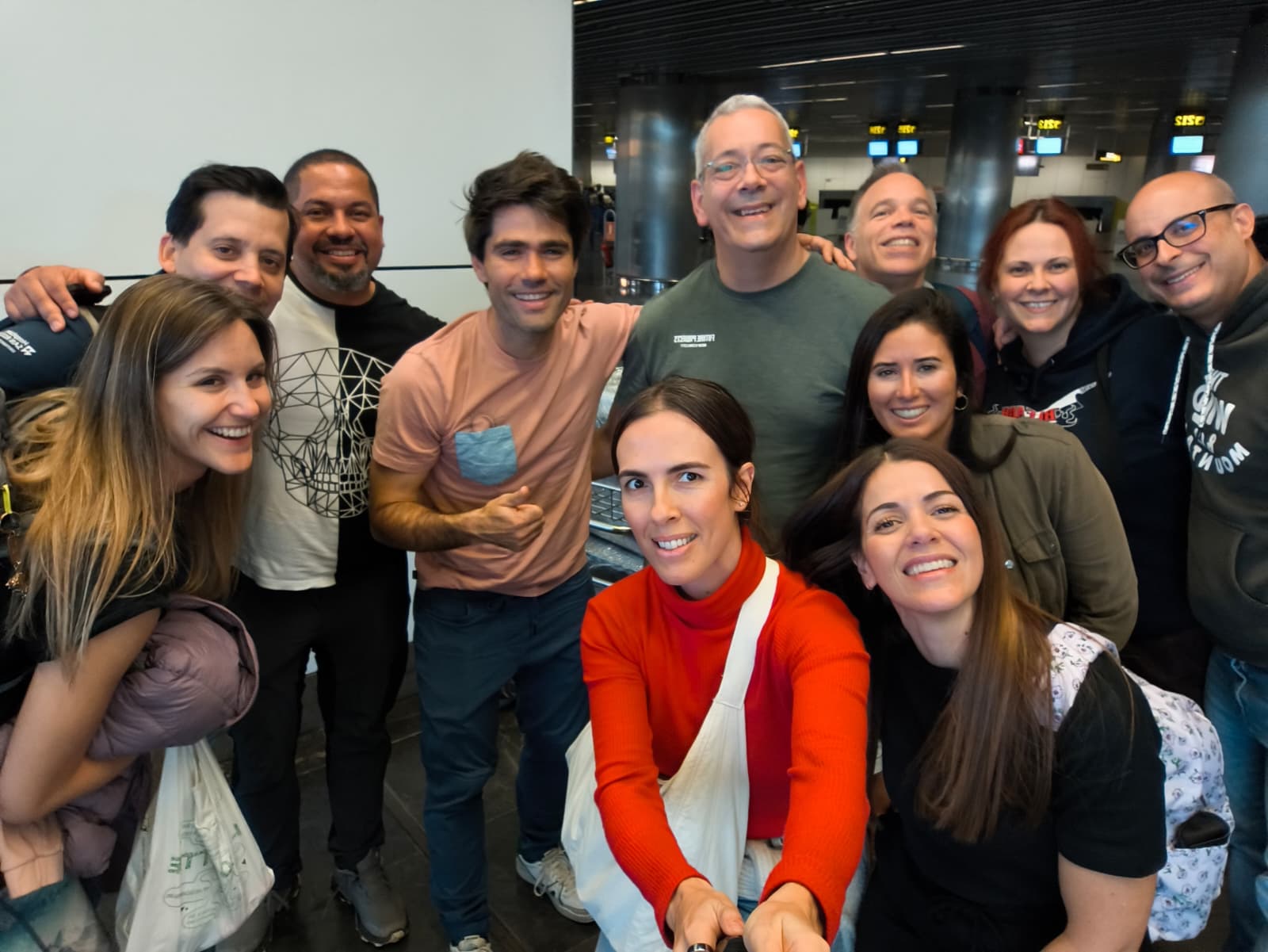
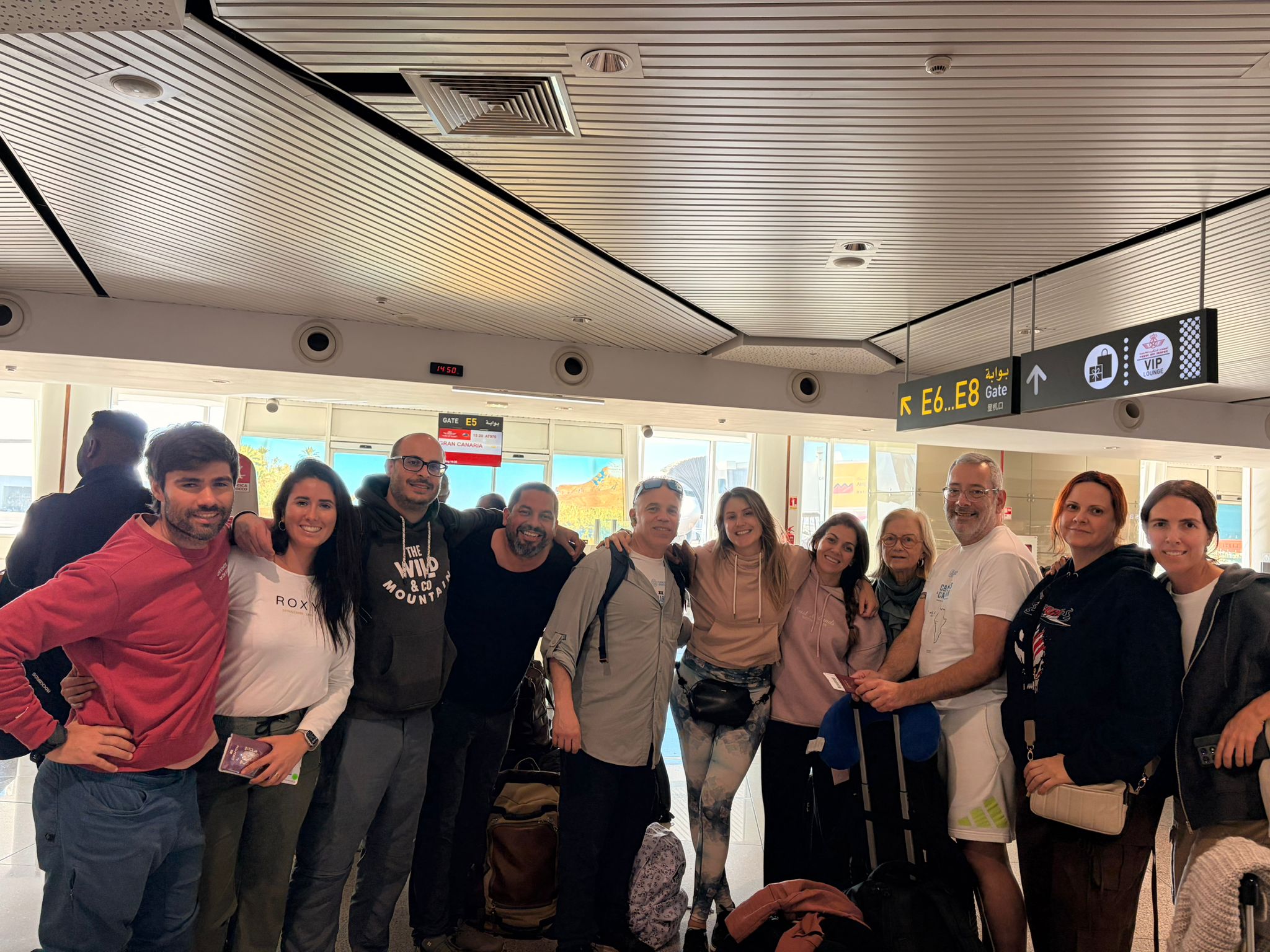
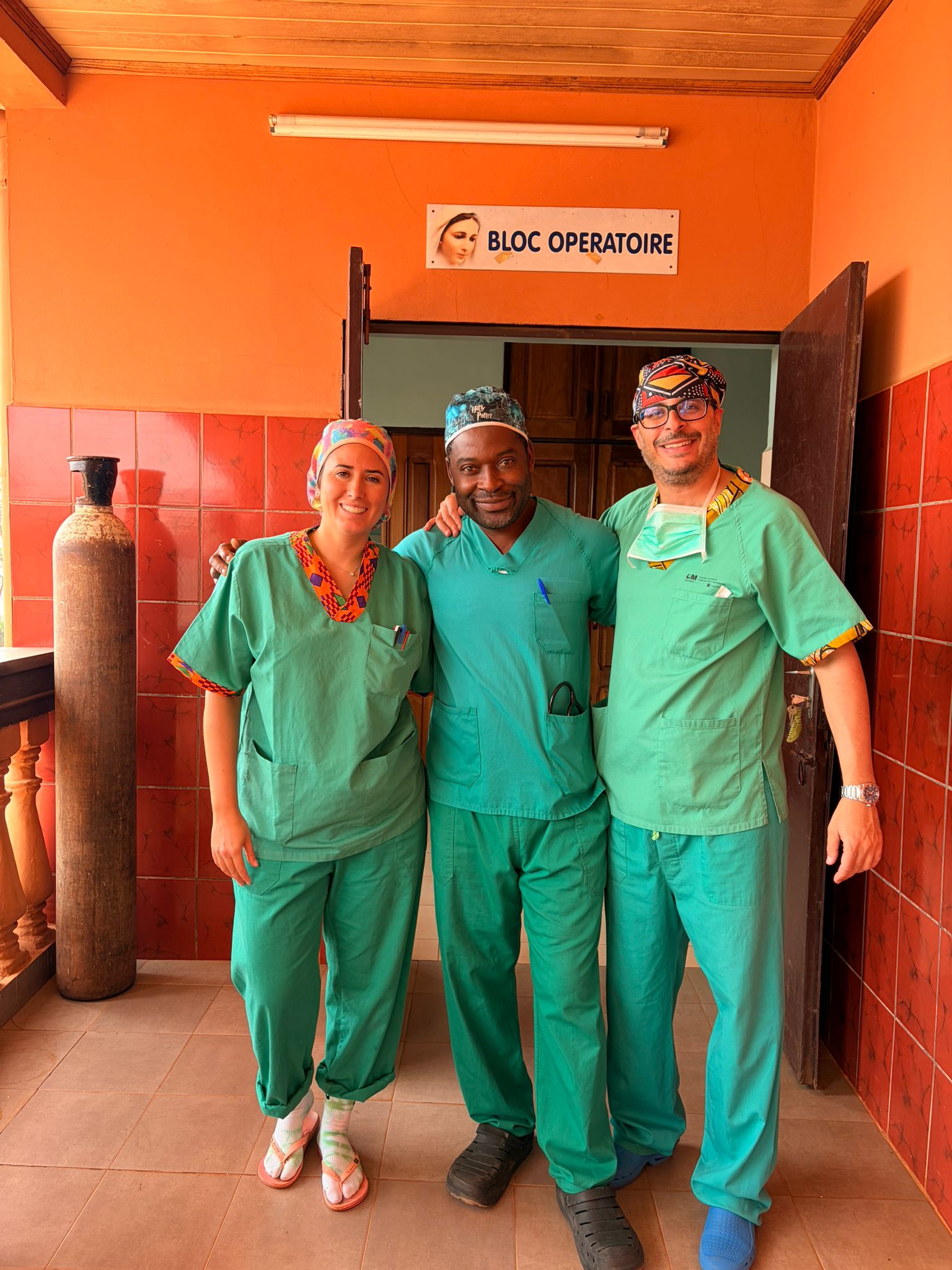
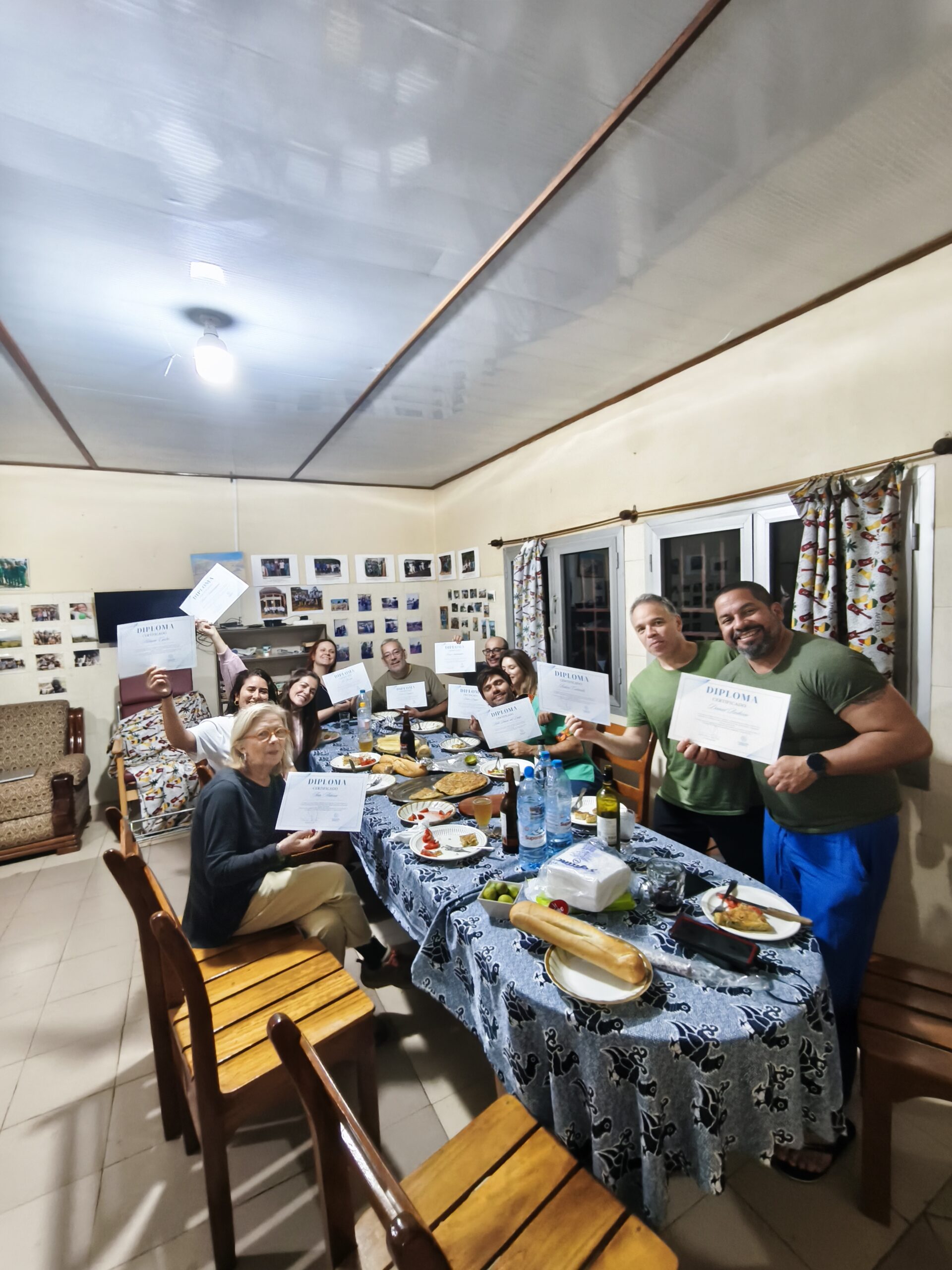
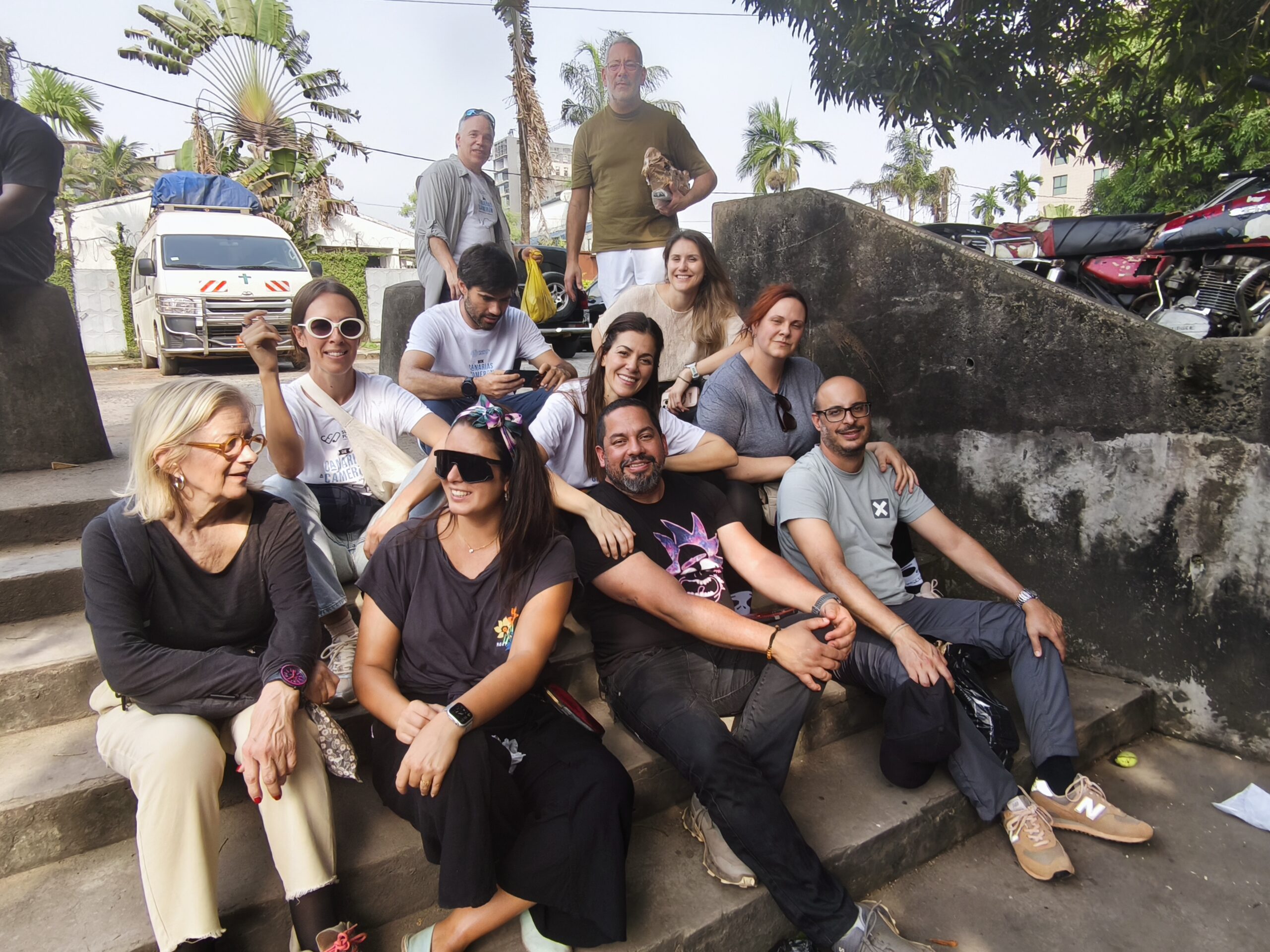
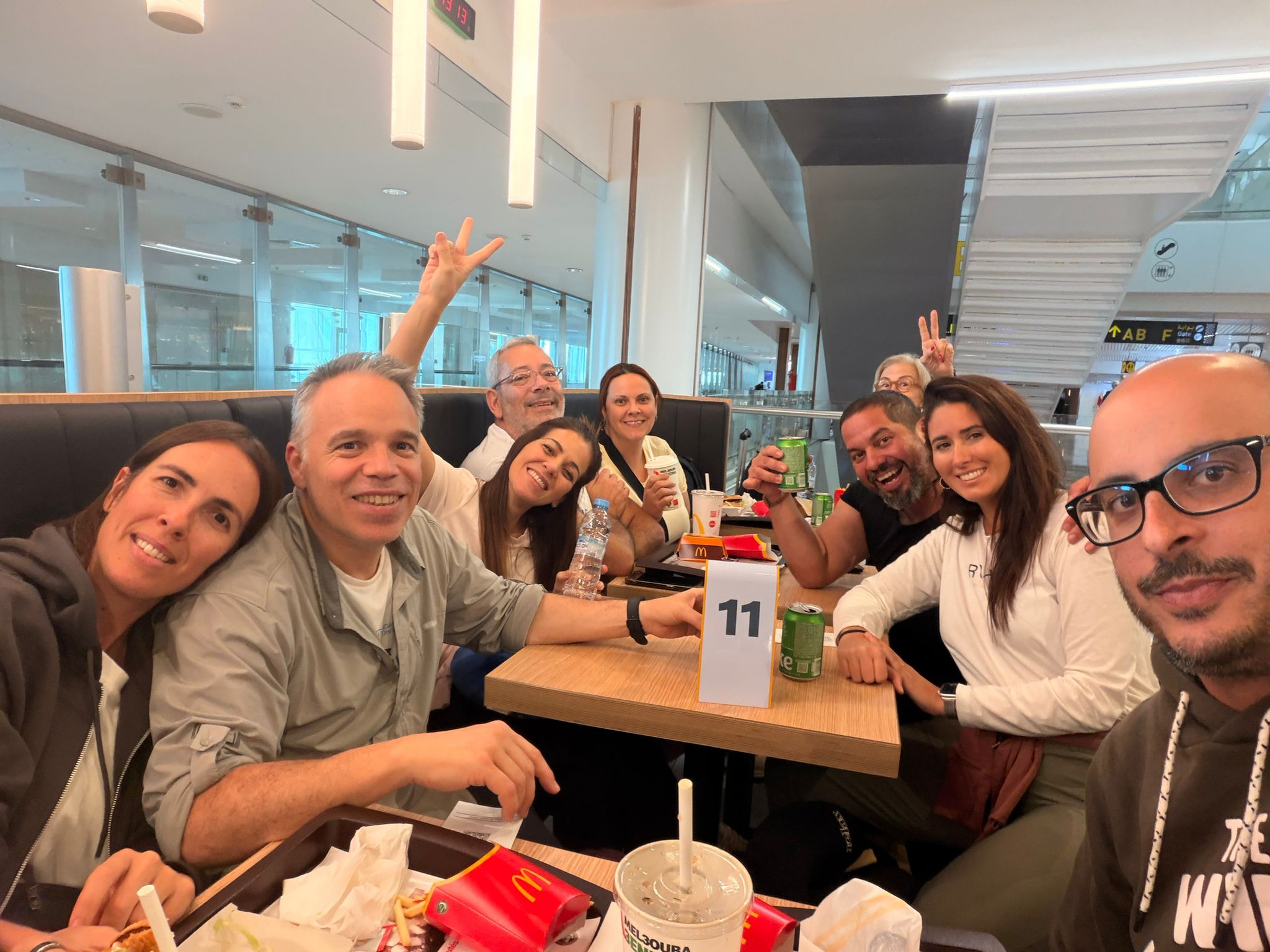
None of what was achieved during this mission would have been possible without the team of volunteer professionals who traveled to Cameroon and carried out the work on the ground. The mission included the participation of urologists Dr. Pablo Juárez del Dago, Dr. Rubén Cutanda, and Dr. Daniel Rodezno; anesthesiologist Dr. Airam Sadarangani, anesthesia nurse Melania Castro, nurse Nira Santos, operating room nursing coordinator Oliver Estupiñán, nurse Ana Arbona, technical support for hospital digitization processes Liliana Penichet, and Yasmina Pérez, responsible for audiovisual documentation, communication, and coordination of the mission.
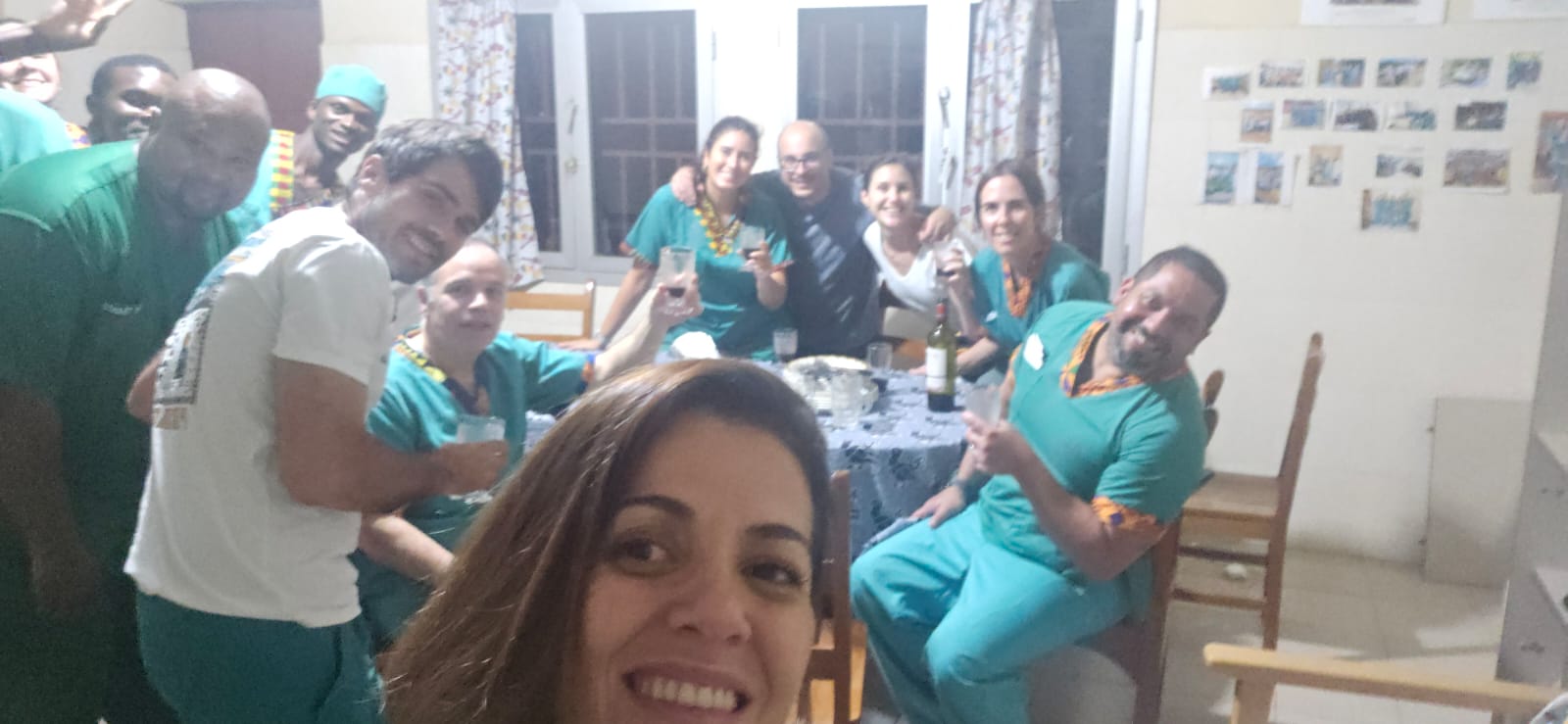
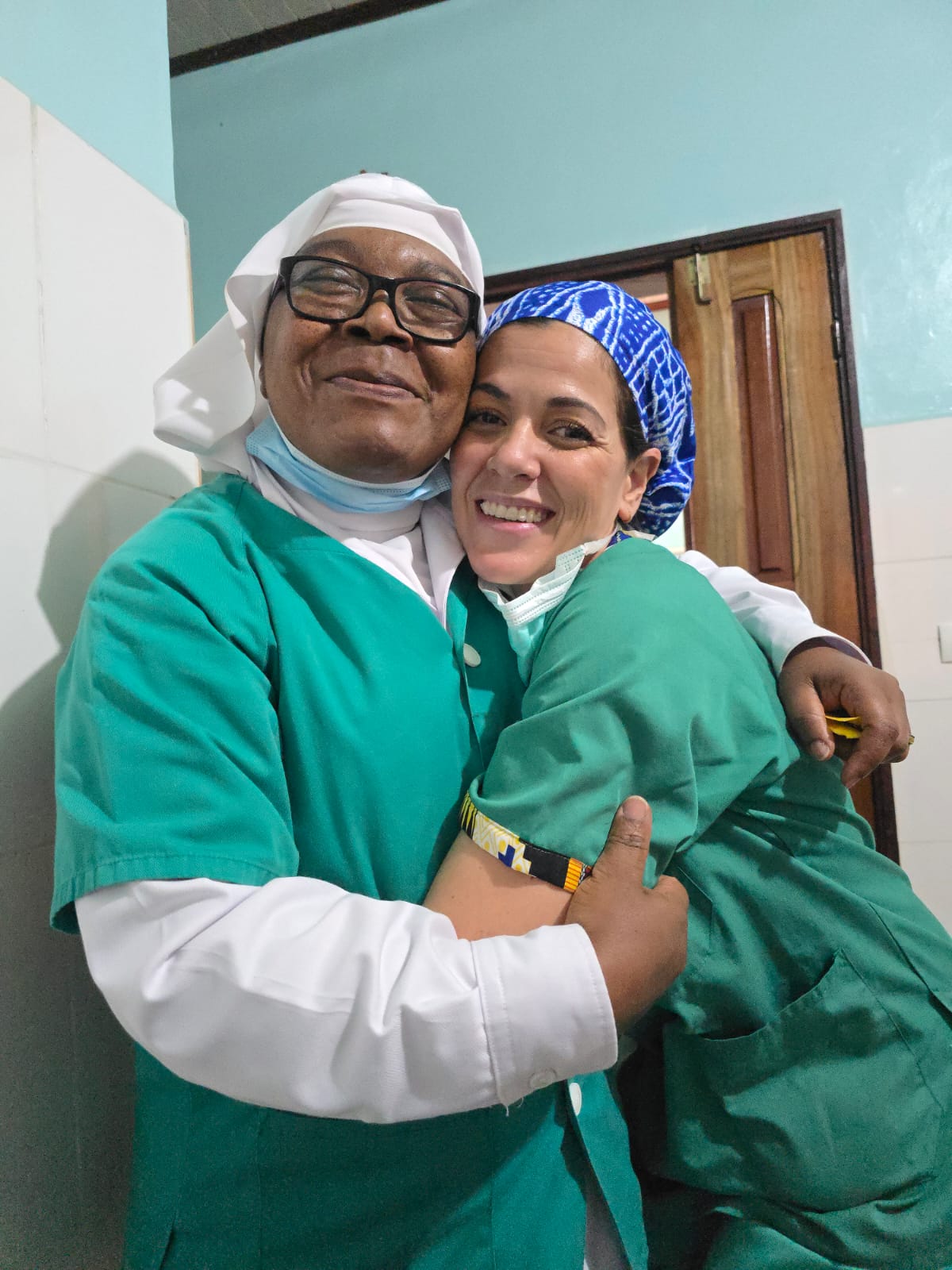
Their dedication, experience, and hard work made it possible to answer questions, perform complex surgeries, and collaborate with local healthcare personnel during intense and demanding clinical sessions. Beyond their healthcare work, their presence represents the true driving force behind these types of projects: professionals who decide to put their knowledge at the service of those who need it most. Their commitment not only makes the mission possible, but also broadens its impact and lays a solid foundation for future interventions.
Audiovisual documentation
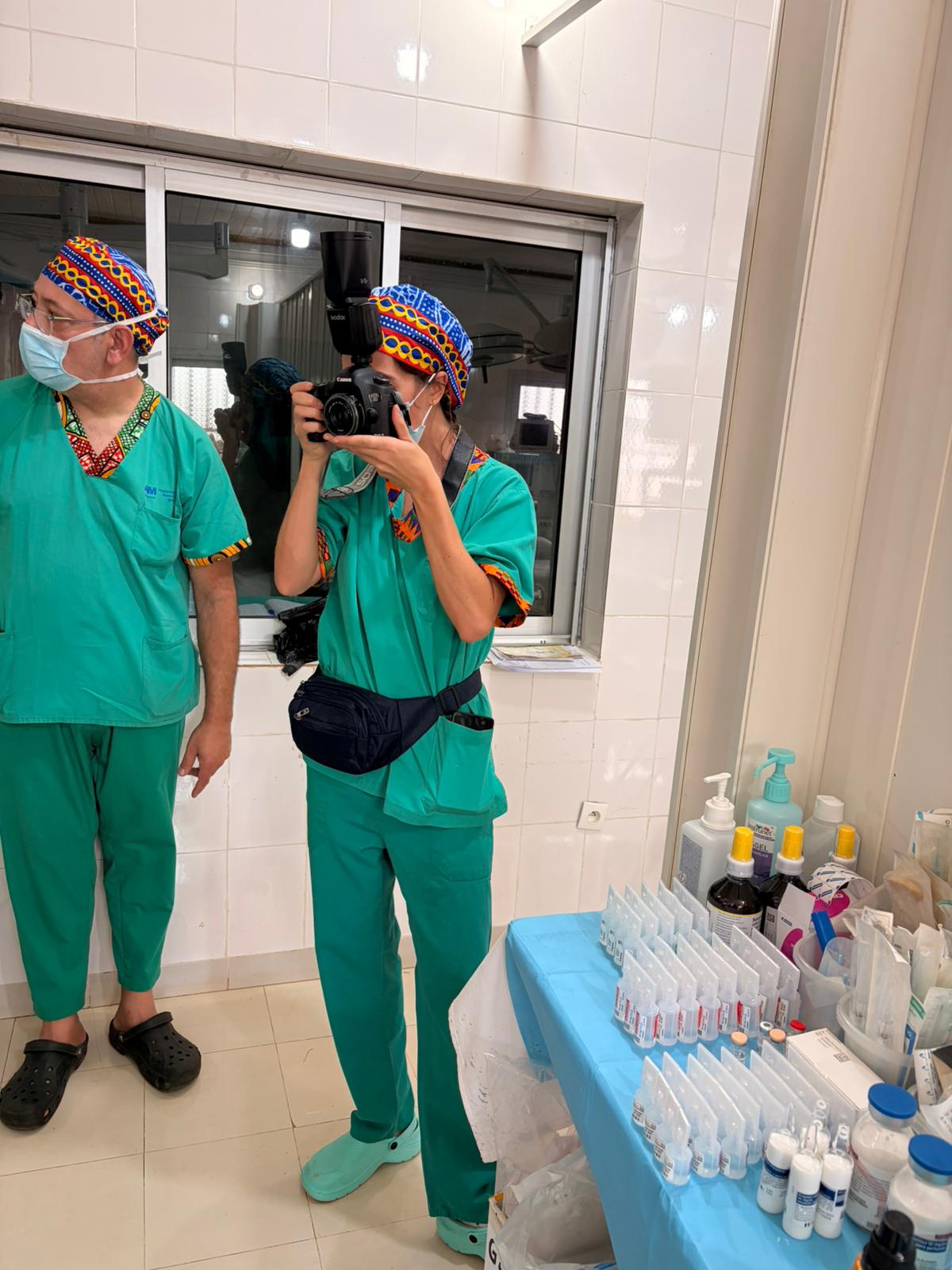
Throughout the mission, professional photographic and audiovisual documentation was carried out with a dual purpose: on the one hand, to generate useful material for the hospital itself that would raise awareness of its work and strengthen its institutional communication; and on the other, to produce informative content that would explain the foundation's work in the field in a clear and transparent manner.
This documentation is key to raising social awareness and ensuring the sustainability of future medical missions.
The first step in a long-term project
This first mission by the Urointec Foundation in Cameroon marks the beginning of ongoing collaboration based on coordinated work with the local team, strengthening healthcare capacities, and seeking a sustained impact over time.